
Sausages are a staple of British cuisine, but not all sausages are created equal. If you’ve ever stood in a supermarket or butcher shop wondering about the difference between Cumberland and Lincolnshire sausages, you’re not alone. These two iconic varieties often get confused, yet they have distinct flavors, textures, and traditions.
In this guide, we’ll break down everything you need to know—from ingredients and taste to history and cooking methods—so you can confidently choose the right sausage for your next meal.
BIO
| Feature | Cumberland Sausages | Lincolnshire Sausages |
|---|---|---|
| Origin | Cumbria, England | Lincolnshire, England |
| Main Flavor | Peppery and spicy | Mild and sage-heavy |
| Seasoning | Mixed spices, black pepper | Strong sage presence |
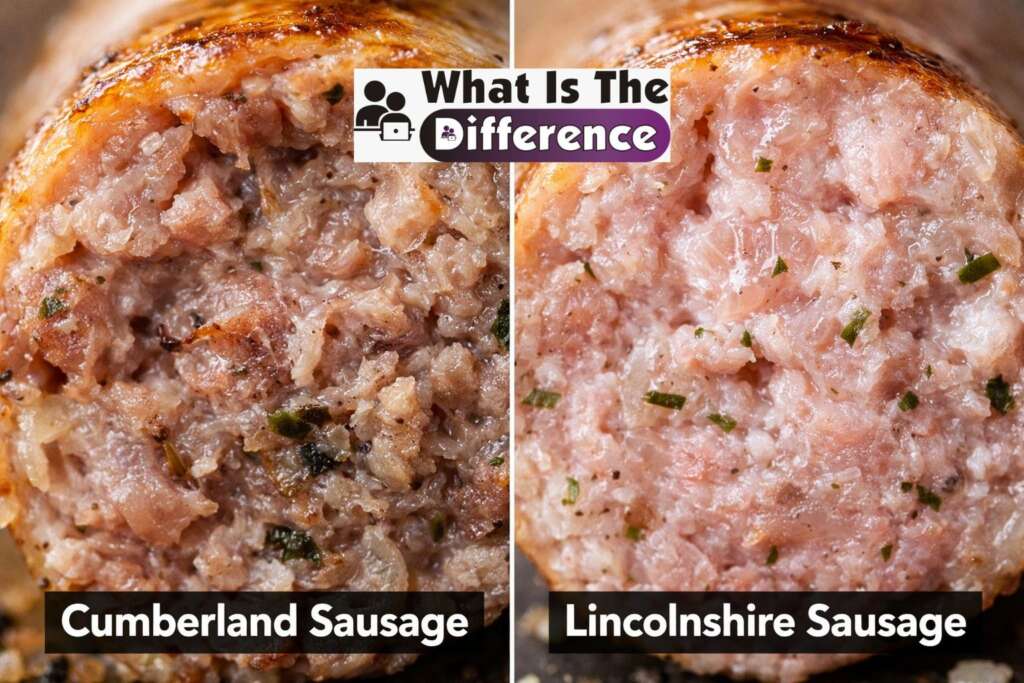
| Texture | Coarse and chunky | Smooth and fine |
| Meat Grind | Coarsely chopped pork | Finely minced pork |
| Shape | Long spiral coil | Short, straight links |
| Appearance | Thick and rustic | Neat and uniform |
| Taste Profile | Bold and rich | Light and herby |
| Cooking Style | Great for grilling and BBQ | Ideal for pan-frying and breakfast |
| Traditional Use | Hearty meals, sausage and mash | Full English breakfast, sandwiches |
| Protected Status | Has PGI protection | No official PGI status |
| Overall Experience | Strong, robust flavor | Subtle, aromatic flavor |
What Is the Difference Between Cumberland and Lincolnshire Sausages?
At its core, the difference between Cumberland and Lincolnshire sausages comes down to seasoning, texture, and shape.
- Cumberland sausages are known for their coarse texture, peppery flavor, and signature coiled shape.
- Lincolnshire sausages are recognized for their sage-heavy seasoning, finer texture, and straight form.
While both are made primarily from pork, their unique spice blends and preparation methods create two very different eating experiences.
Overview of Cumberland and Lincolnshire Sausages
What Are Cumberland Sausages?
Cumberland sausages originate from Cumbria in northwest England. Traditionally, they are made with coarsely chopped pork, giving them a chunky, rustic texture.
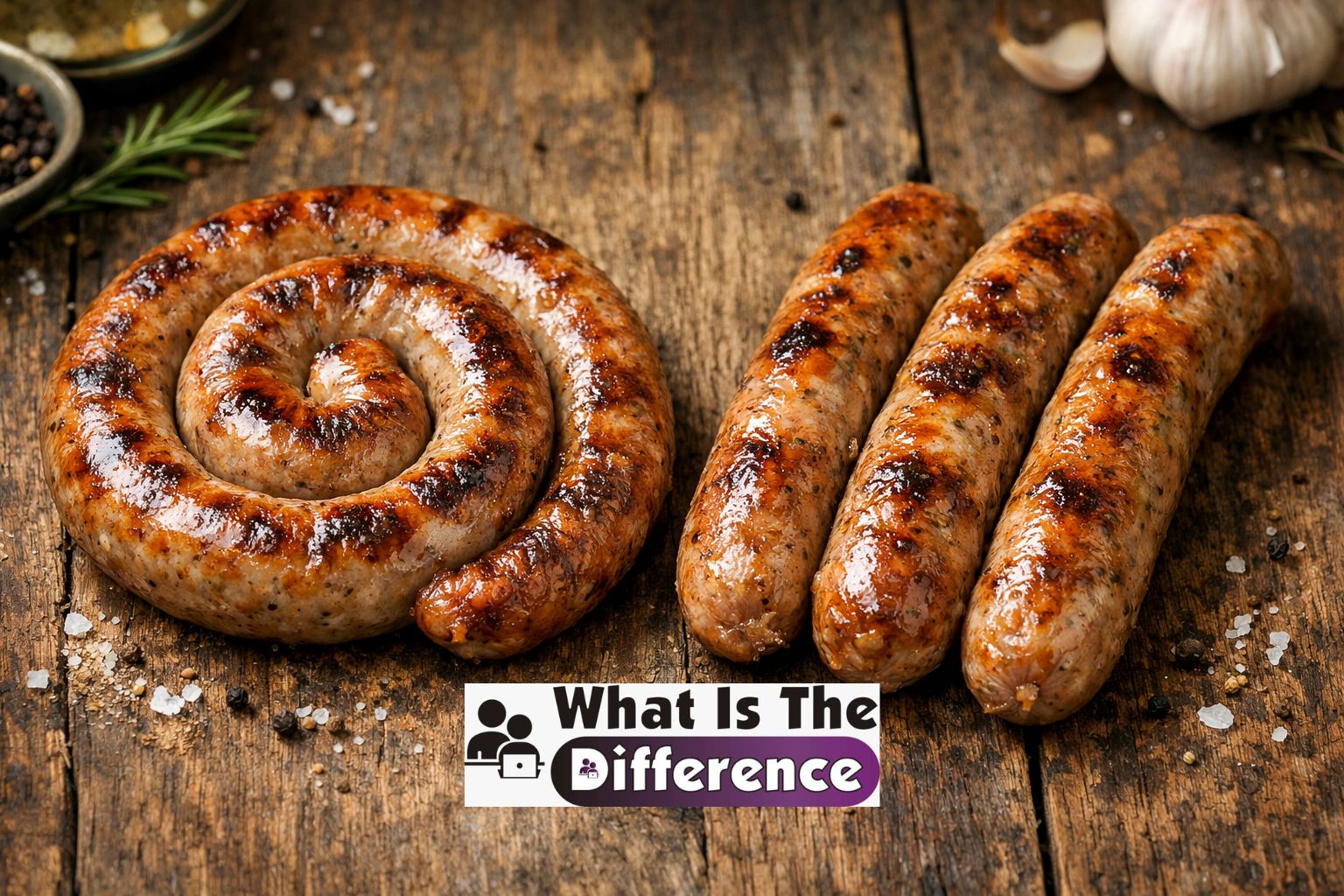
One of their defining features is their long, spiral coil shape, rather than individual links. Flavor-wise, they lean toward a bold, peppery taste, often enhanced with spices like black pepper, thyme, and nutmeg.
Authentic Cumberland sausages may carry Protected Geographical Indication (PGI) status, meaning they must be produced in a specific region following traditional methods.
What Are Lincolnshire Sausages?
Lincolnshire sausages come from the eastern county of Lincolnshire and are known for their distinct herbal flavor, primarily from sage.
Unlike Cumberland sausages, they use finely minced pork, resulting in a smoother, more uniform texture. They are typically sold as short, straight links rather than coils.
Their flavor is milder and more aromatic, making them a favorite for breakfast dishes and sandwiches.
Key Difference Between Cumberland and Lincolnshire Sausages
Ingredients and Seasoning
The most noticeable difference lies in the seasoning:
- Cumberland sausages: Strong peppery flavor with mixed spices
- Lincolnshire sausages: Dominated by sage, giving a herby taste
This difference alone can significantly impact how each sausage complements a dish.
Texture and Meat Grind
Texture plays a major role in the eating experience:
- Cumberland: Coarse, chunky texture
- Lincolnshire: Smooth, finely ground consistency
If you prefer a more rustic bite, Cumberland is the better choice. For a softer, uniform texture, Lincolnshire wins.
Shape and Appearance
Visual differences are easy to spot:
- Cumberland sausages are often sold in a long spiral coil
- Lincolnshire sausages are short, straight links
This makes Cumberland sausages especially eye-catching on the plate.
Flavor Profile Comparison
- Cumberland: Bold, spicy, and rich
- Lincolnshire: Mild, savory, and herbaceous
Your personal taste preference will largely determine which one you enjoy more.
History and Regional Origins
The Heritage of Cumberland Sausage
Cumberland sausages date back over 500 years and were originally made by local farmers using available spices. Their PGI status ensures authenticity and protects traditional production methods.
For more detailed background on sausage varieties, you can refer to this trusted resource on .
The Story Behind Lincolnshire Sausage
Lincolnshire sausages also have deep agricultural roots. Farmers in the region relied heavily on herbs like sage, which grew abundantly, shaping the sausage’s signature flavor.
Unlike Cumberland sausages, Lincolnshire varieties do not have PGI protection, but traditional recipes are still widely respected.
How to Tell the Difference Between Cumberland and Lincolnshire Sausages
If you’re unsure which sausage you’re looking at, here’s a simple guide.
Visual Identification Tips
- Look for a coil → Cumberland
- Look for individual links → Lincolnshire
Taste Test Guide
- Peppery and spicy → Cumberland
- Herby and sage-forward → Lincolnshire
Reading Labels When Buying
Check for keywords like:
- “Coarse-cut” or “spiral” → Cumberland
- “Sage” or “Lincolnshire-style” → Lincolnshire
Cooking and Serving Differences
Best Ways to Cook Cumberland Sausages
Cumberland sausages are ideal for:
- Grilling or barbecuing
- Oven roasting
- Pan-frying
Their robust flavor holds up well to high-heat cooking.
Best Ways to Cook Lincolnshire Sausages
Lincolnshire sausages work best with:
- Gentle pan-frying
- Baking
- Breakfast-style cooking
Their finer texture benefits from slightly lower heat.
Popular Dishes for Each Sausage
- Cumberland: BBQ platters, hearty dinners, sausage and mash
- Lincolnshire: Full English breakfast, sandwiches, lighter meals
Which One Is Better? Choosing the Right Sausage
Based on Taste Preferences
- Love bold, spicy flavors? Choose Cumberland
- Prefer mild, herby notes? Go for Lincolnshire
Based on Cooking Style
- Cooking outdoors or grilling → Cumberland
- Preparing breakfast or quick meals → Lincolnshire
Based on Availability
Cumberland sausages are often easier to find internationally, while authentic Lincolnshire sausages may be more region-specific.
Examples and Real-Life Use Cases
When to Choose Cumberland Sausage
- Hosting a BBQ
- Making a rich, hearty meal
- Wanting a strong, peppery flavor
When to Choose Lincolnshire Sausage
- Preparing a traditional English breakfast
- Making sausage sandwiches
- Looking for a lighter, herby taste
Tips for Buying Authentic British Sausages
- Look for high meat content (at least 70% pork)
- Avoid overly processed or filler-heavy sausages
- Check ingredient lists for authentic spices
- Choose reputable butchers or trusted brands
Common Mistakes to Avoid
- Assuming all pork sausages taste the same
- Ignoring seasoning differences
- Overcooking (which can dry out the sausage)
- Choosing based only on appearance
Related Comparison
If you’re interested in exploring more food comparisons, you might also enjoy this helpful guide on , which breaks down another common British food confusion.
What Is the Difference Between Violence and Abuse? Explained Clearly
FAQs About Cumberland and Lincolnshire Sausages
What is the main difference between Cumberland and Lincolnshire sausages?
The main difference is in seasoning and texture—Cumberland sausages are peppery and coarse, while Lincolnshire sausages are sage-heavy and smoother.
Which sausage is spicier?
Cumberland sausages are generally spicier and more robust due to their pepper-based seasoning.
Are Cumberland sausages always coiled?
Traditionally, yes. Authentic Cumberland sausages are known for their spiral coil shape, although some modern versions may be sold as links.
Why does Lincolnshire sausage taste like sage?
Sage is the dominant herb used in Lincolnshire sausage recipes, giving it its distinctive flavor.
Can you substitute one for the other?
Yes, but it will change the flavor of your dish. Cumberland adds spice, while Lincolnshire brings a milder, herbal taste.
Which sausage is better for breakfast?
Lincolnshire sausages are typically preferred for breakfast due to their lighter, sage-based flavor.
Conclusion
The difference between Cumberland and Lincolnshire sausages ultimately comes down to flavor, texture, and tradition. Cumberland sausages offer a bold, peppery kick with a coarse bite, while Lincolnshire sausages deliver a smoother, sage-infused experience.
Neither is objectively better—they simply serve different tastes and occasions. If you enjoy strong, hearty flavors, Cumberland is the way to go. If you prefer something lighter and more aromatic, Lincolnshire won’t disappoint.
The best way to decide? Try both and discover your personal favorite.