
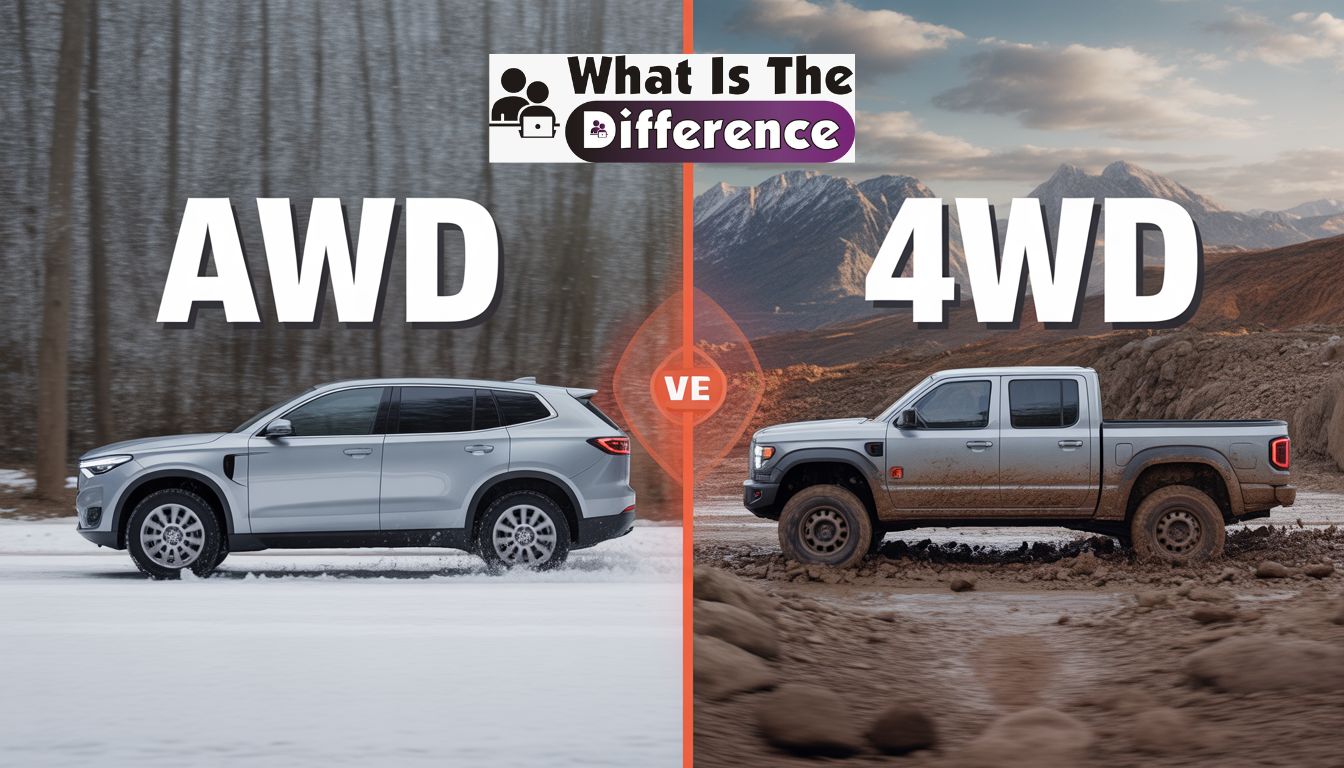
When shopping for a vehicle, especially an SUV or truck, buyers often come across the terms AWD and 4WD. At first glance, these two systems appear almost identical. Both involve sending power to all four wheels of a vehicle, which improves traction and stability. However, their design, purpose, and driving experience can be quite different.
Many drivers ask the same question before purchasing a vehicle: what is the difference between AWD and 4WD? Understanding this distinction can help buyers choose a drivetrain that matches their driving habits, climate, and lifestyle.
Both systems were created to improve traction and control in difficult driving conditions such as snow, rain, mud, or rough terrain. But each system approaches the problem differently. Some are designed for daily driving on paved roads, while others are built specifically for rugged environments and off-road adventures.
This article explains how these systems work, their advantages, and the key differences that every car buyer should understand.
BIO
| Feature | AWD (All-Wheel Drive) | 4WD (Four-Wheel Drive) |
|---|---|---|
| Basic Concept | Power automatically sent to all four wheels when needed | Power sent to all four wheels using a dedicated system |
| System Operation | Usually automatic with no driver input | Often requires manual engagement |
| Main Purpose | Better traction for everyday road driving | Maximum traction for off-road conditions |
| Driving Environment | Ideal for paved roads, rain, and light snow | Designed for mud, rocks, sand, and rough terrain |
| Vehicle Types | Common in sedans, crossovers, and many SUVs | Common in pickup trucks and off-road SUVs |
| Driver Control | System adjusts traction automatically | Driver can switch between modes |
| Mechanical Setup | Uses sensors and differentials | Uses a transfer case and heavy-duty components |
| Low-Range Gear | Usually not included | Often includes low-range gearing |
| Fuel Efficiency | Typically more fuel efficient | Usually consumes more fuel |
| Handling | Provides smoother handling on roads | Built more for durability than smooth handling |
| Maintenance Complexity | Generally simpler drivetrain setup | Often heavier and more complex drivetrain |
| Best For | Daily commuting and changing weather | Off-road driving and heavy-duty tasks |
Understanding Vehicle Drivetrain Systems
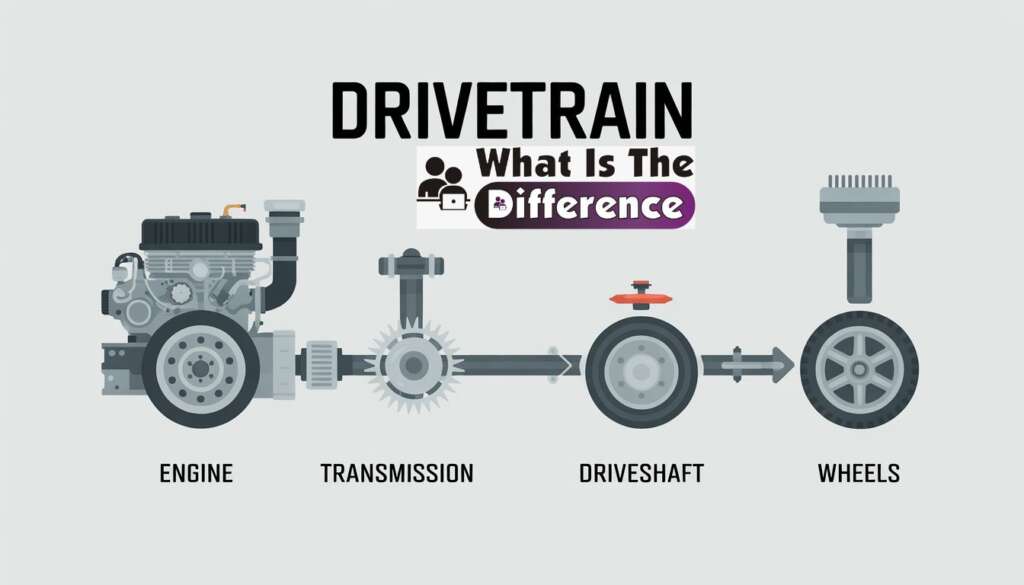
Every vehicle relies on a drivetrain system that transfers power from the engine to the wheels. In a basic front-wheel-drive or rear-wheel-drive vehicle, power is sent only to two wheels. While these systems work well for everyday driving, they can struggle when roads become slippery or uneven.
Traction systems such as AWD and 4WD were developed to solve this problem. By sending engine power to all four wheels instead of just two, these systems help vehicles maintain grip on challenging surfaces. This improves stability and reduces the chances of wheel slip during acceleration.
In simple terms, a drivetrain system determines how the engine’s power reaches the wheels. AWD and 4WD are specialized drivetrains designed to increase traction and control when driving conditions become difficult.
What Is All-Wheel Drive (AWD)
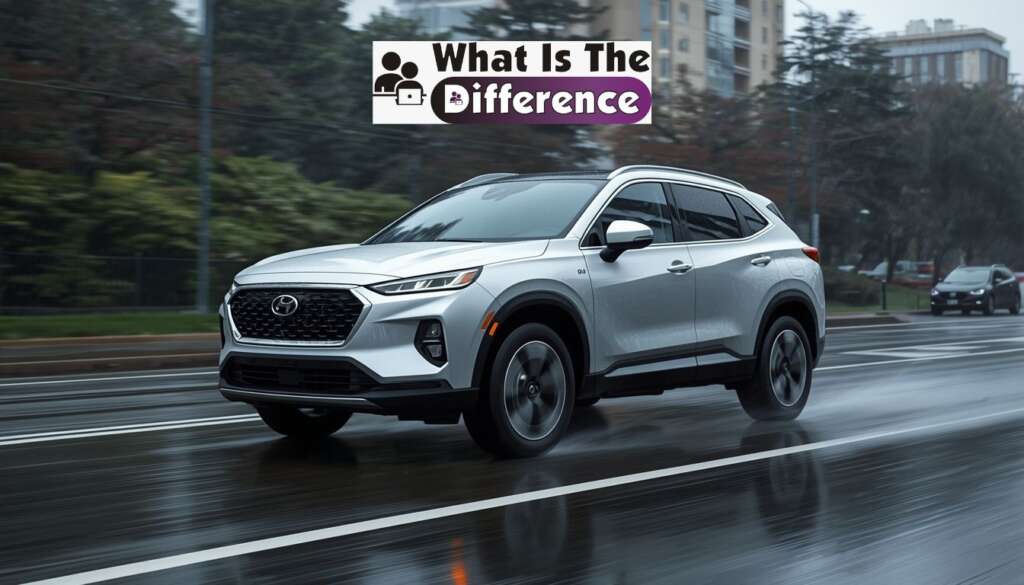
All-wheel drive, commonly known as AWD, is a drivetrain system that can deliver power to all four wheels automatically. In most modern vehicles equipped with AWD, the system continuously monitors road conditions and adjusts power distribution between the front and rear wheels when needed.
One of the defining features of AWD is that it operates automatically. Drivers do not need to press a button or move a lever to activate it. Instead, sensors and computer systems determine when additional traction is necessary and shift power accordingly.
AWD systems are typically designed for on-road performance. They are commonly found in sedans, crossovers, and many modern SUVs. Because these vehicles are often used for daily commuting, AWD is optimized for conditions such as rain, light snow, and slippery roads.
Another advantage of AWD is improved handling. By distributing power between the wheels, the system can help maintain balance during cornering and acceleration. This makes AWD popular not only for safety but also for performance vehicles that require strong grip during high-speed driving.
There are several types of AWD systems. Some operate full-time, meaning all four wheels receive power continuously. Others are part-time or on-demand systems that engage the rear wheels only when the front wheels begin to slip.
For most drivers, AWD offers a balance between traction, comfort, and convenience. It provides extra stability without requiring special driving techniques or manual adjustments.
What Is Four-Wheel Drive (4WD)
Four-wheel drive, often abbreviated as 4WD or referred to as 4×4, is another drivetrain system that powers all four wheels. However, its design and purpose differ from AWD.
In a typical 4WD vehicle, power is distributed to the front and rear wheels using a component called a transfer case. This system can deliver torque equally to both axles, which helps the vehicle maintain traction on rough or slippery surfaces.
Unlike AWD, many 4WD systems are not always active. Drivers usually engage 4WD manually by pressing a button or moving a lever when extra traction is required. When driving on normal paved roads, the vehicle may operate in two-wheel drive mode to improve fuel efficiency.
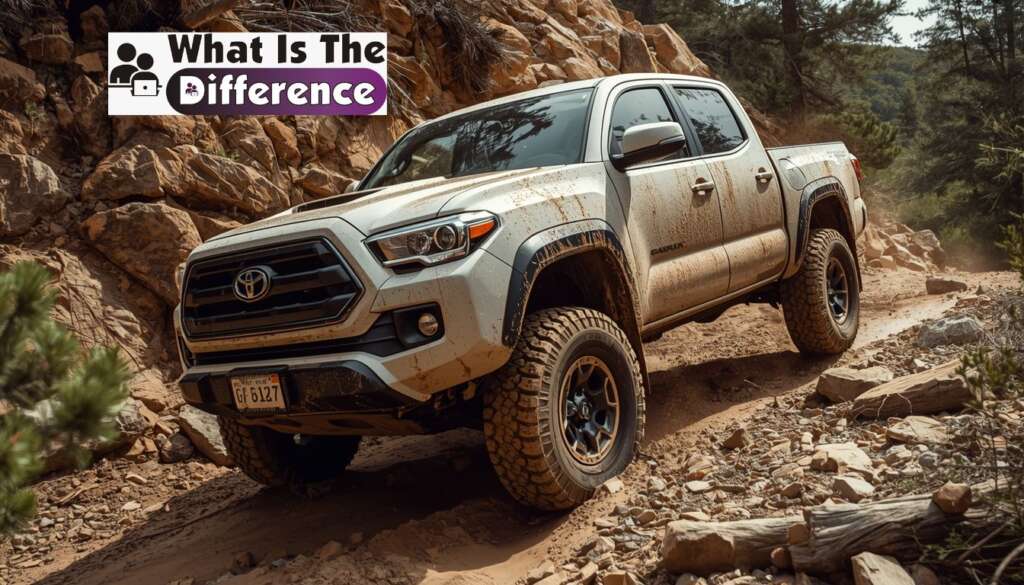
Four-wheel drive systems are commonly found in pickup trucks, large SUVs, and vehicles designed for off-road use. These vehicles are built to handle demanding environments such as rocky trails, deep mud, sand, or steep hills.
Another important feature of many 4WD vehicles is low-range gearing. This setting provides extra torque at low speeds, allowing the vehicle to climb steep terrain or move through heavy obstacles. Because of this capability, 4WD systems are often preferred by drivers who frequently travel off paved roads.
Overall, 4WD systems are designed for strength and durability. They may not always be necessary for daily commuting, but they are extremely valuable for outdoor adventures and challenging terrain.
Key Differences Between AWD and 4WD
Although AWD and 4WD both power all four wheels, their differences become clear when examining how they operate and where they are used.
One major difference lies in the way the systems engage. AWD typically works automatically, constantly adjusting power distribution without requiring driver input. In contrast, many 4WD systems must be manually activated when extra traction is needed.
Another difference involves driving conditions. AWD is designed primarily for paved roads and everyday driving situations such as rain, snow, or icy surfaces. 4WD, on the other hand, is engineered for more demanding environments like off-road trails, mud, or rocky terrain.
The mechanical design of these systems also varies. AWD vehicles often use advanced differentials and electronic sensors to shift power between wheels automatically. 4WD vehicles typically rely on a transfer case that splits power between the front and rear axles.
Vehicle types also differ between the two systems. AWD is commonly found in passenger cars, crossovers, and family SUVs. Four-wheel drive is more common in trucks and heavy-duty SUVs that are intended for rugged use.
Finally, there is a difference in driving experience. AWD systems are smooth and seamless because they operate automatically. 4WD systems may require driver engagement and are sometimes used only when road conditions demand extra traction.
Understanding what is the difference between AWD and 4WD becomes easier when considering these factors together. One system focuses on convenience and everyday stability, while the other emphasizes durability and off-road capability.
Similarities Between AWD and 4WD
Despite their differences, AWD and 4WD share several important characteristics.
The most obvious similarity is that both systems can deliver power to all four wheels. This helps vehicles maintain traction when surfaces become slippery or uneven. By distributing power across four wheels instead of two, the vehicle can maintain better grip during acceleration.
Both systems also improve overall stability. When a vehicle encounters snow, rain, or loose gravel, sending power to multiple wheels helps prevent the vehicle from losing traction.
Another similarity is safety in challenging weather conditions. Drivers who live in areas with frequent rain or snow often choose vehicles equipped with AWD or 4WD because these systems provide additional confidence behind the wheel.
Although the technology behind each system differs, their ultimate goal is the same: improving traction and control.
When AWD Is the Better Choice
For many drivers, AWD is the more practical option. Vehicles equipped with AWD are designed for everyday use and perform well in a variety of weather conditions.
If a driver frequently encounters rain, light snow, or icy roads, AWD can provide additional stability without requiring any special operation. The system automatically adjusts power between the wheels, making it convenient for drivers who want improved traction without manual control.
AWD is also common in crossovers and family vehicles, which means buyers can enjoy the benefits of extra traction while still maintaining comfort, fuel efficiency, and smooth road performance.
For commuters and urban drivers, AWD often offers the best balance between safety and convenience.
When 4WD Is the Better Choice
Four-wheel drive becomes the better option when driving conditions are more extreme. Drivers who frequently travel on rough terrain or enjoy outdoor activities such as off-roading may benefit from a 4WD vehicle.
The system is designed to handle demanding environments like mud, sand, rocks, and steep slopes. With features such as low-range gearing and manually selectable modes, 4WD vehicles provide the strength needed for challenging conditions.
Pickup trucks and heavy-duty SUVs often include 4WD because they are built for towing, hauling, and off-road travel. These vehicles prioritize durability and traction in environments where ordinary vehicles might struggle.
For drivers who need maximum capability, four-wheel drive remains the preferred option.
Real-World Examples of AWD and 4WD Vehicles
In today’s automotive market, both systems are widely available.
Many crossovers and passenger vehicles offer AWD. These vehicles are designed for comfort and practicality while still providing improved traction during bad weather.
Examples include family SUVs and performance sedans that use AWD to enhance stability and handling.
Four-wheel drive vehicles, on the other hand, are often found in trucks and rugged SUVs. These vehicles are engineered for durability and are commonly used for towing, construction work, and outdoor recreation.
Both systems serve different audiences, which is why understanding their purpose is important before choosing a vehicle.
Factors to Consider Before Choosing AWD or 4WD
When deciding between these two systems, several factors should be considered.
Climate is one of the most important. Drivers who live in regions with heavy snow or rain may benefit from the additional traction provided by AWD.
Driving habits also matter. Someone who spends most of their time commuting on highways may not need the heavy-duty capabilities of 4WD.
Budget and maintenance are additional considerations. Vehicles equipped with advanced drivetrain systems may have slightly higher purchase prices and maintenance costs.
By considering these factors carefully, buyers can select a vehicle that matches their specific needs.
Why Understanding the Difference Matters
Understanding what is the difference between AWD and 4WD helps buyers make informed decisions when purchasing a vehicle. Without this knowledge, drivers may choose a system that does not match their lifestyle or driving environment.
For example, someone who drives mainly in the city might not need a rugged 4WD truck, while someone who frequently travels on unpaved roads may benefit greatly from the extra capability.
Knowledge of drivetrain systems also improves overall vehicle awareness. Drivers who understand how their vehicle works are more likely to use it effectively and safely.
Conclusion
AWD and 4WD are often confused because both systems deliver power to all four wheels. However, they are designed with different goals in mind.
All-wheel drive focuses on everyday convenience and improved traction on paved roads. It operates automatically and is commonly used in passenger vehicles and crossovers.
Four-wheel drive is built for strength and durability. It is typically used in trucks and off-road vehicles and is designed to handle challenging terrain.
For car buyers, the key is understanding their own driving needs. Once you clearly understand what is the difference between AWD and 4WD, choosing the right vehicle becomes much easier.
What Is the Difference Between DO and MD in the U.S. Healthcare System?
FAQs
Is AWD the same as 4WD?
No, AWD and 4WD are not the same, even though both systems send power to all four wheels. AWD usually works automatically and is designed for everyday driving conditions like rain or light snow. 4WD is often manually activated and is built for tougher environments such as off-road trails or deep mud.
Which system is better for snow and rain?
AWD is often better for normal winter driving and wet roads because it automatically adjusts traction when the road becomes slippery. It provides extra stability without requiring the driver to switch modes or engage the system manually.
Is 4WD better for off-road driving?
Yes, 4WD is generally the better choice for off-road situations. Many 4WD vehicles include features such as low-range gearing and stronger drivetrain components that help them handle rocky terrain, steep slopes, and deep mud more effectively.
Do AWD and 4WD affect fuel efficiency?
Vehicles with AWD or 4WD systems can sometimes use slightly more fuel than two-wheel-drive vehicles because additional components are involved in sending power to all four wheels. However, modern engineering has improved efficiency, especially in newer AWD systems.
Which system should car buyers choose?
The best choice depends on how and where the vehicle will be used. Drivers who mainly travel on highways or city roads often prefer AWD for its convenience and stability. Those who frequently drive on rough terrain or need a vehicle for heavy-duty work may benefit more from 4WD.