
Introduction
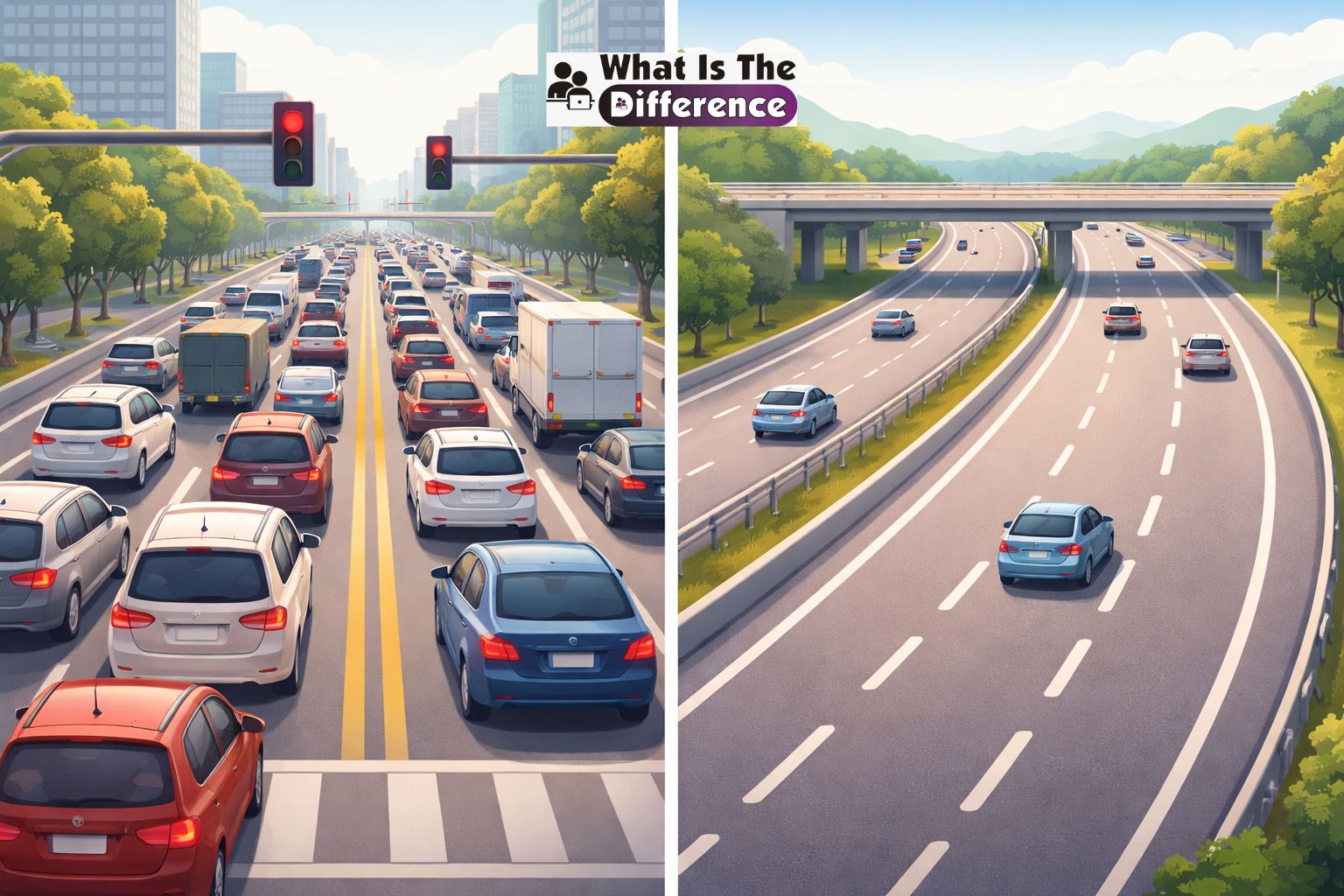
If you’ve ever driven on a long road trip or studied road signs, you’ve probably come across the terms highway and freeway. Many people assume they mean the same thing but that’s not entirely accurate.
Understanding the difference between highway and freeway is more than just a technical detail. It can help you navigate roads more safely, plan better routes, and even pass driving tests with confidence.
In this guide, we’ll break down what each term means, how they differ, and why it matters for everyday driving.
| Feature | Highway | Freeway |
|---|---|---|
| Definition | General public road | Controlled-access road |
| Access Points | Open access from many areas | Entry/exit via ramps only |
| Traffic Flow | Can stop or slow down | Continuous, uninterrupted |
| Traffic Signals | May have lights and stops | No traffic signals |
| Intersections | Common | None |
| Speed Limits | Moderate to high | Usually higher speeds |
| Road Type | Can vary widely | Standardized design |
| Lane Structure | May be fewer lanes | Multiple wide lanes |
| Safety Level | Less controlled, higher risk | More controlled, safer |
| Traffic Type | Mixed traffic allowed | Limited to fast vehicles |
| Efficiency | Can be slower | Faster and smoother travel |
| Purpose | Connect local and regional areas | Enable fast long-distance travel |
What Is a Highway?
Simple Definition of a Highway
A highway is a public road that connects cities, towns, and regions. It’s designed for travel over longer distances and can vary widely in structure and design.
In simple terms, a highway is any major road used for transportation between locations.
Key Features of Highways
- Open access: Vehicles can enter and exit at multiple points
- Traffic signals: May include stoplights and intersections
- Mixed traffic: Cars, trucks, bikes, and sometimes pedestrians
- Variable lanes: Can be two-lane or multi-lane
Unlike more controlled roads, highways often pass through urban and rural areas, adapting to the surrounding environment.
Common Types of Highways
- National highways connecting major cities
- State or regional highways
- Urban highways with traffic lights
- Rural highways with fewer controls
Because of their flexibility, highways are the most common type of road worldwide.
What Is a Freeway?
Simple Definition of a Freeway
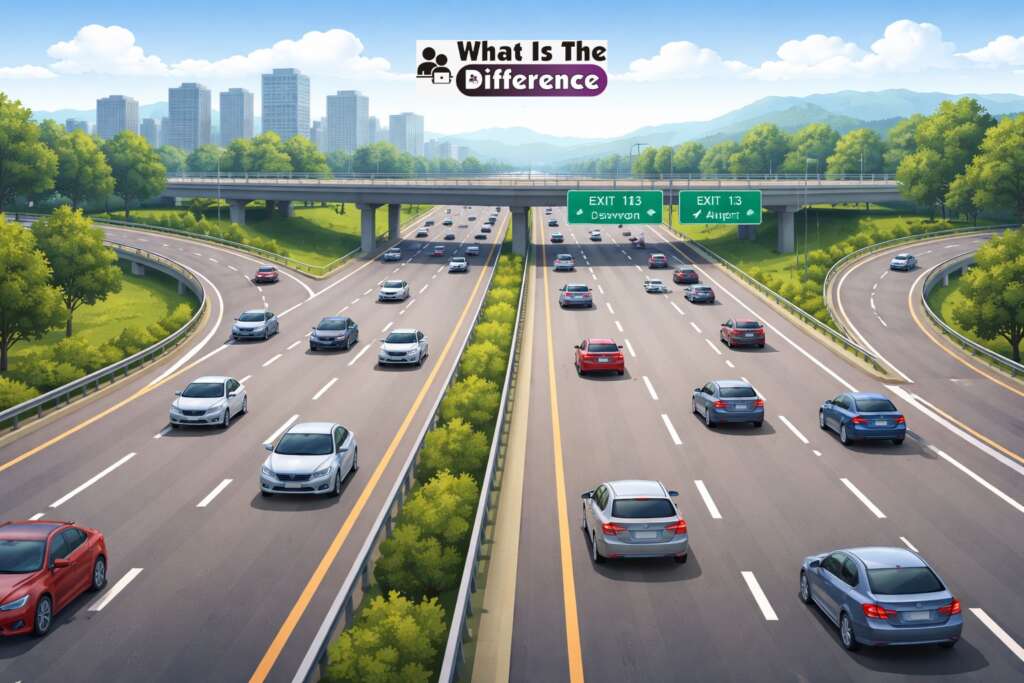
A freeway is a type of highway designed for high-speed, uninterrupted traffic flow. It eliminates stops and direct access points to keep vehicles moving smoothly.
Freeways are built for efficiency, especially in areas with heavy traffic.
Key Features of Freeways
- Controlled access: Entry and exit only via ramps
- No traffic signals: No stoplights or intersections
- Multiple lanes: Often divided by barriers or medians
- High-speed travel: Designed for faster movement
The goal of a freeway is simple: minimize interruptions and maximize flow.
Other Names for Freeways
Depending on the region, freeways may also be called:
- Expressways
- Motorways (in the UK and many countries)
- Interstates (in the United States)
Despite different names, the concept remains the same controlled, high-speed roads.
Difference Between Highway and Freeway (Key Comparison)
To clearly understand the difference between highway and freeway, let’s compare their core aspects.
Access Control
- Highway: Open or partially controlled access
- Freeway: Fully controlled access via ramps
Traffic Flow
- Highway: Can be interrupted by signals or crossings
- Freeway: Continuous and uninterrupted
Intersections and Signals
- Highway: May include traffic lights and crossroads
- Freeway: No intersections or signals
Speed and Efficiency
- Highway: Moderate to high speeds
- Freeway: Higher speeds with smoother flow
Safety
- Highway: More risk due to crossings and mixed traffic
- Freeway: Generally safer due to controlled design
In short, all freeways are highways but not all highways are freeways.
Why Understanding the Difference Between Highway and Freeway Matters
Safer Driving Decisions
Knowing the type of road you’re on helps you adjust your speed, awareness, and driving behavior.
Better Route Planning
Freeways are often faster, while highways may offer more direct or scenic routes.
Driving Tests and Knowledge
Understanding these terms is essential for passing theory tests and becoming a confident driver.
Reduced Confusion
Recognizing road types prevents hesitation and improves reaction time while driving.
If you’re interested in how everyday decisions impact your lifestyle and efficiency, you might also find this helpful guide on how to improve your daily routine insightful.
How to Identify a Highway vs a Freeway While Driving
Recognizing the type of road you’re on is easier than you think. Here’s a simple step-by-step guide:
Look for Entry and Exit Points
- Freeway: Access only through ramps
- Highway: Direct entry from streets or intersections
Check for Traffic Signals
- Freeway: No traffic lights
- Highway: May include signals and stop signs
Observe Speed Limits
- Freeways usually have higher speed limits due to fewer interruptions
- Highways may vary depending on location
Notice Road Structure
- Freeways often have multiple lanes with barriers
- Highways may have fewer lanes and less separation
With a bit of observation, you can quickly tell the difference.
Real-Life Examples of Highways and Freeways
Example of a Typical Highway
Imagine a road passing through small towns with traffic lights, shops, and pedestrian crossings. This is a classic highway.
Example of a Freeway
Now picture a wide, multi-lane road with no stops, only ramps for entry and exit, and vehicles moving at high speed. That’s a freeway.
Regional Differences in Terminology
Different countries use different terms. For example, what’s called a freeway in the U.S. may be known as a motorway in Europe.
According to Wikipedia’s explanation of controlled-access highways, these roads are specifically designed to eliminate interruptions and improve safety.
Common Mistakes People Make
Assuming All Highways Are Freeways
This is the most common misconception. While all freeways are highways, the reverse is not true.
Ignoring Access Differences
Failing to notice entry and exit controls can lead to confusion while driving.
Misreading Road Signs
Road signs often indicate the type of road, but many drivers overlook them.
Confusing Regional Terms
Different countries use different names, which can add to the confusion.
Tips for Driving Safely on Highways and Freeways
Adjust Your Speed
Always match your speed to the road type and conditions.
Stay Alert on Highways
Watch for intersections, pedestrians, and sudden stops.
Follow Lane Discipline on Freeways
Use proper lanes for overtaking and maintain safe distances.
Pay Attention to Signs
Road signs provide essential information about road type, speed limits, and exits.
Understanding Road Types for Better Driving Decisions
Many drivers struggle with choosing the best route. If you’re in a hurry, freeways are usually the fastest option due to uninterrupted flow. However, highways may offer more flexibility and access to local areas.
Knowing the difference between highway and freeway helps you make smarter decisions based on time, safety, and convenience.
The Real Difference Between Job and Career Explained
FAQ About the Difference Between Highway and Freeway
What is the main difference between highway and freeway?
The main difference is access control. Freeways have controlled access with no signals, while highways may include intersections and direct entry points.
Is every freeway a highway?
Yes, every freeway is a type of highway, but not all highways are freeways.
Why do freeways have no traffic lights?
Freeways are designed for continuous traffic flow, so traffic lights are removed to avoid interruptions.
Are highways less safe than freeways?
Generally, highways can be less safe due to intersections and mixed traffic, while freeways reduce these risks.
What are freeways called in other countries?
They are often called motorways, expressways, or interstates depending on the region.
Conclusion
The difference between highway and freeway comes down to design, access, and purpose. Highways are versatile roads connecting places, while freeways are built for speed and efficiency with minimal interruptions.
By understanding this distinction, you can drive more confidently, choose better routes, and stay safer on the road.
Next time you’re behind the wheel, take a moment to observe your surroundings you might be surprised how easy it is to tell the difference once you know what to look for.