Introduction
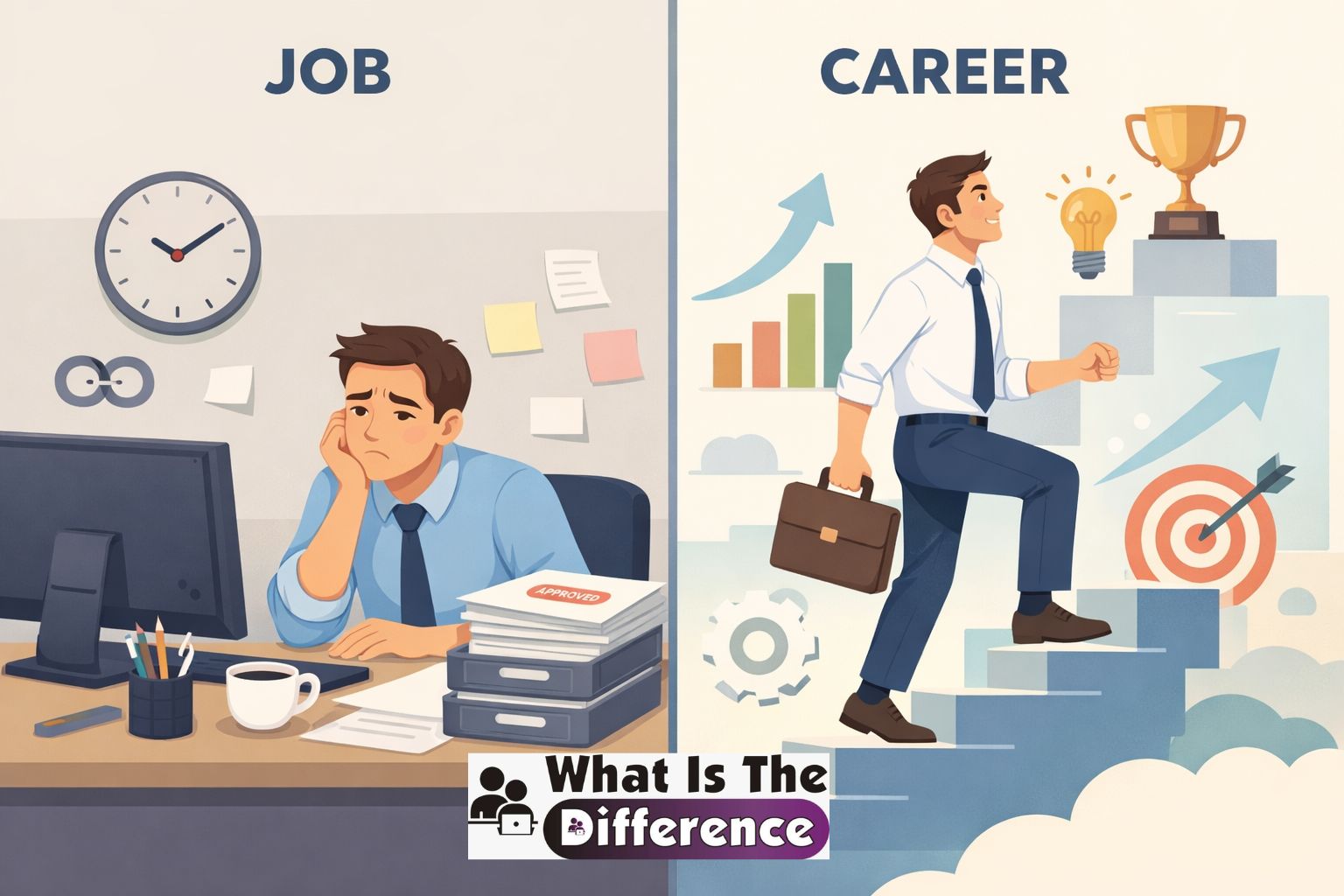
Many people use the terms job and career interchangeably but they’re not the same. Understanding the difference between job and career can completely change how you approach work, growth, and long term success.
Some people feel stuck in repetitive work, while others build fulfilling paths that evolve over time. The key distinction often lies in whether you’re simply working a job or actively building a career.
In this article, you’ll learn what sets the two apart, why it matters, and how you can move from one to the other with purpose.
| Feature | Job | Career |
|---|---|---|
| Definition | Short-term work for income | Long-term professional journey |
| Focus | Earning money | Growth and development |
| Time Span | Temporary or short-term | Long-term and evolving |
| Purpose | Meet immediate needs | Achieve long-term goals |
| Growth Opportunities | Limited or none | Continuous advancement |
| Skill Development | Basic or repetitive | Ongoing learning and improvement |
| Motivation | Financial necessity | Passion and purpose |
| Flexibility | Often fixed roles | Can evolve over time |
| Emotional Connection | Low attachment | Strong personal investment |
| Stability | May change frequently | More stable over time |
| Progression | Rare promotions | Clear career path |
| Identity | Not part of identity | Defines professional identity |
What Is a Job?
Simple Definition of a Job
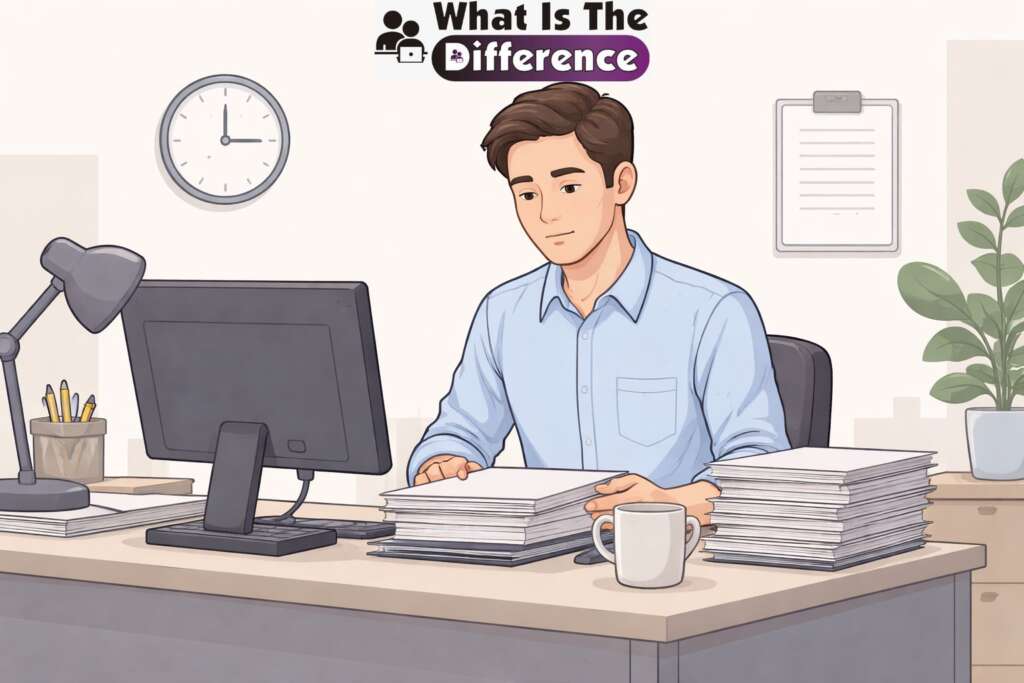
A job is typically a short-term role you take on to earn money. It focuses on completing specific tasks or responsibilities in exchange for payment.
Jobs are often necessary for financial stability, especially early in life, but they don’t always align with long-term goals.
Key Characteristics of a Job
- Short-term focus: You work to meet immediate needs
- Fixed responsibilities: Tasks are usually repetitive
- Limited growth: Few opportunities for advancement
- Transactional nature: Time and effort are exchanged for income
Common Examples of Jobs
- Part-time retail positions
- Temporary office roles
- Freelance or gig work
- Entry-level positions without growth plans
A job can be meaningful, but it doesn’t necessarily define your long term professional identity.
What Is a Career?

Simple Definition of a Career
A career is a long term professional journey built around your skills, interests, and goals. It involves continuous learning, progression, and personal development.
Unlike a job, a career is not just about earning money it’s about building something over time.
Key Characteristics of a Career
- Long-term vision: Focused on growth and future goals
- Skill development: Continuous learning and improvement
- Progression: Opportunities for promotions or advancement
- Personal fulfillment: Often aligned with passion or purpose
Examples of Career Paths
- A teacher advancing from assistant to principal
- A software developer growing into a tech lead
- A marketing executive becoming a brand strategist
A career evolves over time and reflects your professional identity.
Difference Between Job and Career (Key Comparison)
Understanding the difference between job and career becomes clearer when you compare them side by side.
Time Perspective
- Job: Short-term, focused on the present
- Career: Long-term, built over years or decades
Purpose and Motivation
- Job: Primarily for earning income
- Career: Driven by growth, passion, and purpose
Growth Opportunities
- Job: Limited advancement
- Career: Clear progression and development
Skill Development
- Job: Basic or repetitive skills
- Career: Continuous learning and expertise building
Emotional Connection
- Job: Often low personal attachment
- Career: Strong sense of identity and commitment
In simple terms, a job pays the bills, while a career builds your future.
Why Understanding the Difference Between Job and Career Matters
Recognizing this difference is more than just semantics it can shape your entire life path.
Helps You Make Better Decisions
When you know whether you’re working a job or building a career, you can make smarter choices about education, training, and opportunities.
Impacts Financial Stability
Careers often offer better long-term earning potential compared to jobs with limited growth.
Improves Job Satisfaction
People who view their work as a career are generally more engaged and fulfilled.
Guides Skill Development
Understanding your path helps you focus on skills that matter for long-term success.
If you’re unsure about your direction, exploring broader perspectives on work and lifestyle like those discussed in this helpful guide on what is a work-life balance can provide additional clarity.
How to Turn a Job Into a Career
If you’re currently in a job, the good news is that it can evolve into a career with the right approach.
Identify Your Long-Term Goals
Start by asking yourself:
- Where do I want to be in 5 -10 years?
- What kind of work excites me?
Clarity is the foundation of any career path.
Invest in Skill Development
Learn new skills relevant to your field. This could include:
- Online courses
- Certifications
- Practical experience
Continuous learning is what separates careers from jobs.
Seek Growth Opportunities
Look for roles that offer advancement. Don’t hesitate to take on new responsibilities or challenges.
Build a Professional Network
Connections can open doors. Attend events, connect with mentors, and engage with professionals in your field.
Stay Adaptable
Industries evolve, and so should you. Being flexible ensures long-term relevance and growth.
Real-Life Examples of Job vs Career
Example 1: Retail Job vs Business Career
Working as a cashier is a job. But if you learn operations, management, and customer behavior, you can build a career in retail management or entrepreneurship.
Example 2: Freelancing vs Industry Expertise
Freelancing for quick income is a job. But specializing in a niche and building a reputation turns it into a career.
Example 3: Entry-Level Role vs Leadership Path
An entry level office job may start as a job, but with growth, training, and promotions, it can evolve into a leadership career.
Common Mistakes People Make
Treating Every Job as a Career
Not every job leads to long-term growth. Recognizing this early can save time and effort.
Ignoring Long-Term Planning
Focusing only on immediate income without thinking ahead can limit your future potential.
Chasing Money Without Purpose
While income is important, lack of purpose can lead to dissatisfaction and burnout.
Not Upskilling
Failing to learn new skills can keep you stuck in the same role for years.
Tips for Choosing Between a Job and a Career Path
Evaluate Your Goals
Think about what you truly want financial stability, passion, or both.
Think Long-Term
Short-term comfort can sometimes prevent long-term success. Consider where your current path leads.
Focus on Growth
Choose roles that offer learning and advancement opportunities.
Align Work With Your Values
Work becomes more meaningful when it reflects your beliefs and interests.
Understanding Work in a Broader Context
The idea of work has evolved over time. According to Wikipedia’s explanation of a career, a career is a long-term pursuit that reflects personal development and professional progress.
This broader understanding highlights that careers are not just about jobs they’re about growth, identity, and purpose.
Difference Between Full Board and All Inclusive Explained Simply
FAQ About the Difference Between Job and Career
What is the main difference between job and career?
A job is short-term and income-focused, while a career is a long-term journey focused on growth and development.
Can a job become a career?
Yes, with skill development, planning, and consistent effort, a job can evolve into a career.
Is a career always better than a job?
Not necessarily. Some people prefer jobs for flexibility, while others seek long-term fulfillment through careers.
How do I know if I have a job or a career?
If your work involves growth, progression, and long-term goals, it’s likely a career. Otherwise, it may just be a job.
Do all careers start as jobs?
In most cases, yes. Many careers begin with entry-level jobs that provide experience and skills.
Conclusion
The difference between job and career is more than just a definition it’s a mindset. A job helps you meet immediate needs, while a career builds your future over time.
By understanding this distinction, you can make better decisions, develop meaningful skills, and create a path that aligns with your goals and values.
Whether you’re just starting out or reassessing your current situation, remember: every career begins somewhere but it’s your choices that determine where it leads.