Introduction
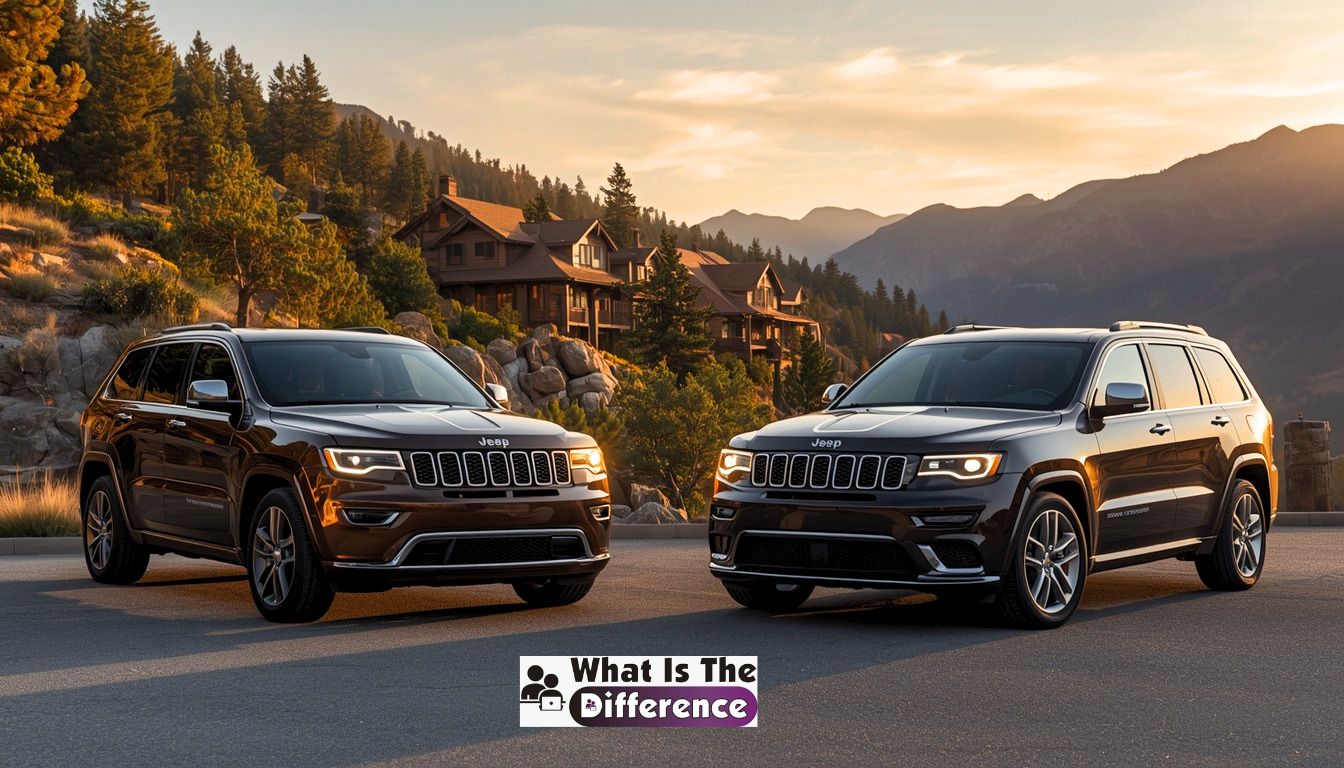
wagoneer vs grand wagoneer: The full-size SUV market has changed dramatically over the last few years. Buyers no longer want only space and towing capability. They also expect advanced technology, premium comfort, and luxury-level refinement. That shift is exactly why the Wagoneer and Grand Wagoneer have become two of the most talked-about SUVs in their class.
At first glance, these vehicles look very similar. Both offer bold styling, three-row seating, strong towing capability, and premium interiors. But once you spend time comparing them closely, the differences become much more important than many buyers expect.
The Wagoneer is designed for families who want a premium SUV with practical capability. The Grand Wagoneer takes things further with luxury-focused materials, upscale technology, and enhanced performance. Choosing between them often comes down to understanding which features truly matter for your lifestyle.
This detailed comparison breaks down the biggest differences between the two SUVs, including performance, comfort, technology, towing, pricing, and everyday usability.
| Feature | Wagoneer | Grand Wagoneer |
|---|---|---|
| Starting Price | More affordable | Higher luxury pricing |
| Interior Quality | Premium materials | Luxury-grade materials |
| Engine Power | Strong performance | More powerful engine |
| Horsepower | Around 420 HP | Around 510 HP |
| Ride Comfort | Smooth and practical | More refined and quieter |
| Technology | Standard modern tech | Advanced premium tech |
| Audio System | Standard premium audio | McIntosh luxury audio |
| Seating Comfort | Spacious family seating | Premium massaging seats |
| Exterior Styling | Clean and subtle | More upscale appearance |
| Towing Capacity | Up to 10,000 lbs | Up to 9,800 lbs |
| Fuel Economy | Slightly better MPG | Lower MPG due to power |
| Luxury Features | Limited luxury extras | Full luxury experience |
| Best For | Families and value buyers | Luxury SUV shoppers |
Wagoneer vs Grand Wagoneer at a Glance
The Wagoneer and Grand Wagoneer both sit near the top of Jeep’s SUV lineup. While they share a similar platform and body structure, they target different types of buyers.
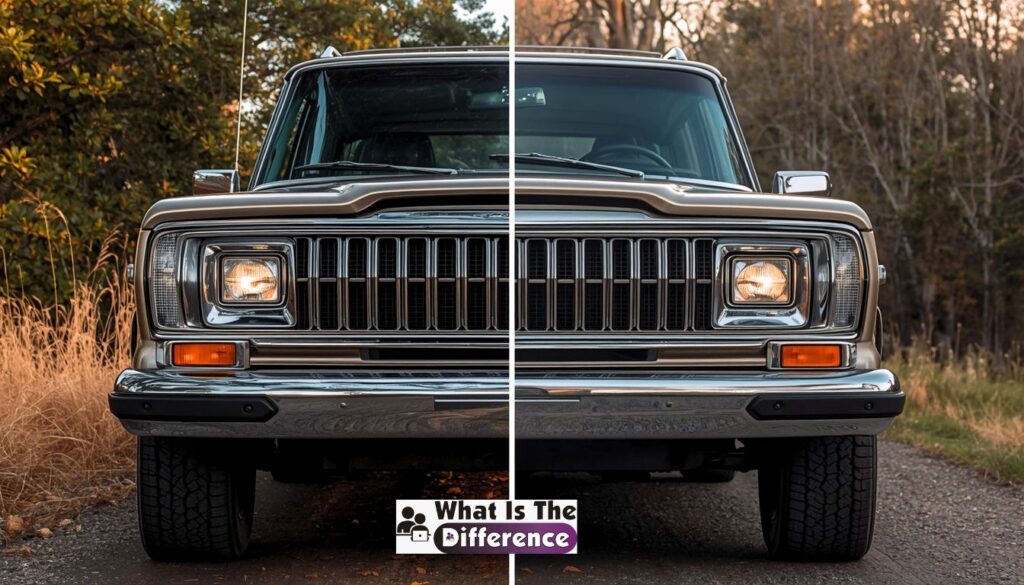
The Wagoneer focuses on value, passenger space, and utility. It offers many premium features without reaching ultra-luxury pricing. The Grand Wagoneer, on the other hand, competes directly with luxury SUVs like the Cadillac Escalade and Lincoln Navigator. (Axios)
One of the biggest differences comes from standard equipment. The Grand Wagoneer includes more advanced technology, upscale interior materials, and enhanced performance features right from the base trim.
Another major distinction is drivetrain setup. Most Wagoneer trims start with rear-wheel drive, while the Grand Wagoneer comes standard with four-wheel drive.
Exterior Design
The exterior styling of both SUVs carries a bold and traditional American SUV appearance. Large proportions, wide grilles, and strong body lines give both vehicles serious road presence.
The Wagoneer keeps its styling clean and understated. It looks premium without appearing overly flashy. This design approach appeals to families who want sophistication without excessive luxury styling.
The Grand Wagoneer takes a more upscale direction. It adds more chrome accents, premium lighting details, larger wheel designs, and exclusive badging. These details immediately separate it from the standard Wagoneer.
From the front, the Grand Wagoneer grille appears more refined and upscale. The exterior trim also feels more polished overall. Buyers looking for a luxury statement vehicle will likely appreciate the Grand Wagoneer’s appearance more.
Still, many drivers prefer the cleaner and less aggressive look of the standard Wagoneer because it feels more practical and less attention-seeking.
Interior Comfort
Interior quality is where the largest gap between these SUVs becomes obvious.
The Wagoneer cabin is spacious, comfortable, and family-friendly. Seating is supportive, and there is impressive room across all three rows. Adults can comfortably sit in the third row, which remains a major strength for the vehicle. (Car and Driver)
Material quality inside the Wagoneer is solid, but it does not fully enter true luxury territory. Soft-touch surfaces and leather options are available, though some lower cabin materials feel closer to mainstream SUVs.
The Grand Wagoneer changes the experience completely. Premium leather surfaces, real wood trim, aluminum accents, and upscale detailing create a far more luxurious atmosphere.
Many trims also include massaging front seats, upgraded ambient lighting, and higher-end upholstery stitching. The cabin feels designed for buyers who prioritize comfort and prestige.
One of the standout features in the Grand Wagoneer is noise isolation. Road and wind noise are significantly reduced, creating a more refined driving experience during highway travel.
Families who regularly take long road trips will immediately notice the difference in cabin quietness and seating comfort.
Technology Features
Technology is another area where these SUVs separate themselves.
The Wagoneer already offers a strong list of standard technology features. Buyers get a large infotainment display, smartphone integration, navigation options, and multiple USB charging ports throughout the cabin.
Apple CarPlay and Android Auto are included, making daily connectivity simple and reliable.
Driver assistance systems are also impressive. Features such as adaptive cruise control, blind-spot monitoring, lane-keeping assistance, and parking sensors are available across multiple trims.
The Grand Wagoneer pushes technology much further.
Several trims include multiple digital displays throughout the dashboard, including a passenger-side screen. Rear-seat entertainment systems are also available, creating a premium experience for families and long-distance travelers.
The McIntosh premium sound system remains one of the Grand Wagoneer’s most talked-about features. Many reviewers consider it among the best factory-installed audio systems available in a full-size SUV.
Another advantage is overall screen integration. The Grand Wagoneer cabin feels more futuristic and upscale because of its layered display layout and premium interface design.
For buyers who care deeply about technology and entertainment, the Grand Wagoneer clearly delivers the stronger experience.
Engine Performance
Performance differences between the two SUVs are noticeable, especially during highway driving and towing situations.
The standard Wagoneer uses a twin-turbocharged 3.0-liter Hurricane inline-six engine producing around 420 horsepower and strong torque output
That amount of power is already impressive for a full-size SUV. Acceleration feels strong, and highway passing remains smooth even with passengers and cargo onboard.
The Grand Wagoneer uses a higher-output version of the same engine. Depending on trim and model year, horsepower increases to around 510 horsepower.
The extra power creates quicker acceleration and smoother highway performance. The Grand Wagoneer also feels more composed at higher speeds thanks to upgraded suspension tuning and additional luxury-focused engineering.
Ride quality in both SUVs remains comfortable, though the Grand Wagoneer feels more refined overall.
The Wagoneer prioritizes practical comfort, while the Grand Wagoneer leans heavily into luxury cruising.
Towing Capability
Towing remains one of the biggest reasons buyers choose these SUVs.
The Wagoneer offers impressive towing capacity, reaching up to 10,000 pounds when properly equipped.
That number makes it one of the strongest towing SUVs in its segment.
The Grand Wagoneer also performs extremely well, with towing capacity reaching around 9,800 pounds depending on configuration.
For most families towing boats, trailers, or campers, both SUVs provide more than enough capability.
However, towing packages matter significantly. Some owners have noted lower towing limits without the proper tow package installed.
The Grand Wagoneer includes more towing assistance technologies, making trailer handling easier and safer during long-distance hauling.
Features like trailer monitoring systems, trailer brake controls, and advanced camera views improve confidence while towing large loads.
Passenger Space and Cargo Room
Passenger space is one of the strongest advantages for both SUVs.
The Wagoneer offers generous seating across all three rows. Even adults can comfortably use the third row for longer drives. This makes the vehicle especially appealing for larger families.
Cargo space is also excellent. Folding rear seats create a large storage area capable of handling luggage, sports equipment, and road-trip gear with ease.
The Grand Wagoneer shares similar dimensions, so passenger space remains excellent. However, the luxury-focused seating design creates a more premium experience for passengers.
Second-row captain’s chairs, upgraded seat materials, and additional comfort features make rear passengers feel more relaxed during travel.
Families who prioritize maximum practicality may find the standard Wagoneer more than sufficient. Buyers seeking a luxury family travel experience will likely appreciate the Grand Wagoneer’s upgrades.
Safety and Driver Assistance
Modern buyers expect advanced safety technology, especially in large family SUVs.
Both models include a strong list of standard safety systems. Adaptive cruise control, lane departure warning, blind-spot monitoring, rear cross-traffic alerts, and parking assistance are widely available.
The Grand Wagoneer includes more advanced driver assistance features on higher trims.
Some versions offer night vision systems, enhanced parking assistance, and upgraded highway driving support technologies.
Large SUVs can feel intimidating in tight urban areas, so these driver assistance systems play a major role in improving confidence behind the wheel.
For families traveling regularly with children, these features add meaningful peace of mind.
Fuel Economy and Ownership Costs
Fuel economy is not the strongest area for either SUV, though the newer turbocharged engines have improved efficiency compared to older V8-powered models.
The Wagoneer generally delivers better fuel economy than the Grand Wagoneer. Some estimates place the Wagoneer near 20 MPG combined depending on configuration.
The Grand Wagoneer sacrifices some efficiency for additional power and luxury equipment. Fuel economy numbers often land lower due to increased weight and performance tuning.
Ownership costs also differ significantly.
The Wagoneer remains more affordable both at purchase and over time. Insurance, maintenance, and tire replacement costs are generally lower compared to the Grand Wagoneer.
The Grand Wagoneer demands a larger financial commitment. Luxury materials, advanced technology, and premium components increase ownership expenses.
Still, many buyers feel the added comfort and luxury justify the higher costs.
Pricing Differences
Pricing is often the deciding factor for buyers comparing these two SUVs.
The Wagoneer starts at a significantly lower price point than the Grand Wagoneer. Depending on trim and options, the difference can easily reach tens of thousands of dollars.
For many families, the Wagoneer already provides everything they need. It offers strong towing capability, spacious seating, modern technology, and premium styling without entering ultra-luxury pricing territory.
The Grand Wagoneer becomes appealing for buyers who prioritize high-end comfort and premium experiences.
Features like massaging seats, luxury audio systems, additional displays, and premium interior craftsmanship help justify the added price for luxury-focused shoppers.
Pros and Cons
Wagoneer Pros
- Lower starting price
- Excellent towing capability
- Spacious third-row seating
- Strong everyday practicality
- Comfortable highway ride
Wagoneer Cons
- Interior materials are less luxurious
- Technology is less advanced than the Grand Wagoneer
- Some trims feel expensive for the level of luxury offered
Grand Wagoneer Pros
- Premium luxury interior
- Advanced technology features
- Powerful performance
- Exceptional highway comfort
- High-end audio and entertainment systems
Grand Wagoneer Cons
- Higher ownership costs
- Lower fuel economy
- Expensive upper trims
Which SUV Should You Buy?
The right choice depends entirely on what matters most to you.
If you want a large SUV focused on practicality, family comfort, towing, and value, the Wagoneer is the smarter option. It delivers impressive capability without pushing into extreme luxury pricing.
If luxury matters just as much as utility, the Grand Wagoneer stands out. Its premium materials, advanced technology, and refined ride quality create a more upscale ownership experience.
Families who spend long hours traveling, towing, or road-tripping may especially appreciate the Grand Wagoneer’s quieter cabin and premium seating.
Budget-conscious buyers will likely find the standard Wagoneer offers the better overall value.
Final Verdict
The Wagoneer and Grand Wagoneer may share the same basic foundation, but they serve very different buyers.
The Wagoneer excels as a premium full-size SUV with strong practicality, excellent towing capability, and family-friendly comfort. It delivers many upscale features while remaining more affordable.
The Grand Wagoneer pushes into true luxury SUV territory. From premium materials to advanced technology and enhanced performance, it competes directly with high-end rivals in the luxury segment.
For buyers focused on value and everyday usability, the Wagoneer remains the stronger choice.
For those seeking maximum comfort, luxury, and technology, the Grand Wagoneer clearly stands above the standard model.
FAQs
Why is Jeep discontinuing the Wagoneer?
Jeep has not officially confirmed a complete end to the Wagoneer lineup, but reports suggest the standard Wagoneer may be phased out in upcoming model years as the company shifts focus toward luxury trims and electrified SUVs. Jeep is also expanding its EV lineup, including newer models like the Wagoneer S.
Is a Jeep Wagoneer or Grand Wagoneer bigger?
The Wagoneer and Grand Wagoneer are nearly identical in overall size. Both offer three-row seating, large cargo capacity, and full-size SUV dimensions. The main difference comes from luxury features and interior upgrades rather than physical size.
Is a Wagoneer as big as a Suburban?
Yes, the Wagoneer competes directly with large SUVs like the Chevrolet Suburban. It offers similar passenger room, towing capability, and cargo space, making it a strong choice for large families and long-distance travel.
Is a Grand Wagoneer considered luxury?
Yes, the Grand Wagoneer is considered a true luxury SUV. It competes with premium models like the Cadillac Escalade and Lincoln Navigator thanks to its upscale interior materials, advanced technology, premium audio systems, and refined ride quality.
What is the most luxurious Jeep?
The Grand Wagoneer is currently the most luxurious vehicle in the Jeep lineup. It features premium leather interiors, advanced digital displays, massaging seats, high-end technology, and powerful performance designed for luxury SUV buyers.