False words can travel fast. A careless comment at work, a damaging post online, or a rumor repeated in public can harm a person’s reputation before they even have a chance to respond. That is why the difference between slander vs libel matters.
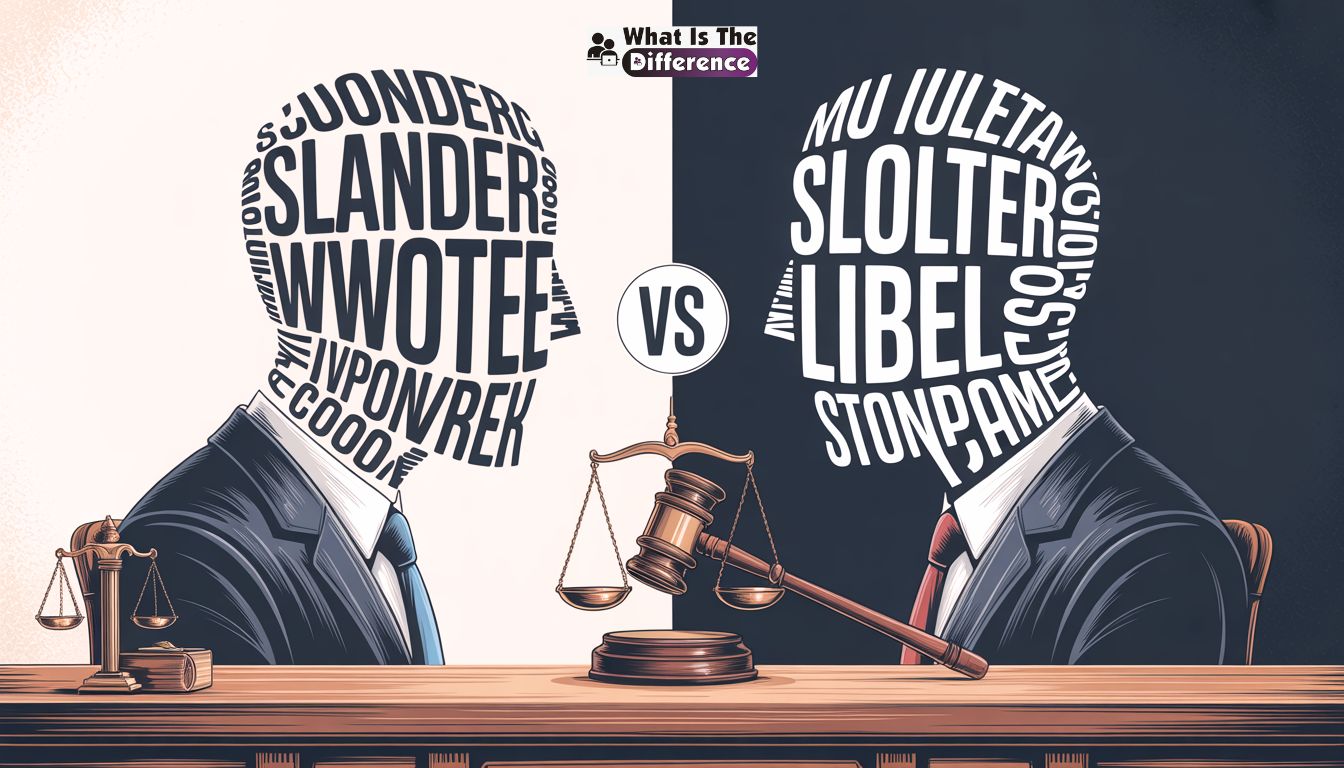
Both terms fall under defamation law. In simple words, defamation happens when someone makes a false statement about another person or business, and that statement damages their reputation. The key difference is how the statement is made. Slander is usually spoken. Libel is usually written or published.
Although the difference sounds simple, real-life situations can be more complicated. Social media, podcasts, livestreams, online reviews, and videos have blurred the line between spoken and published statements. Understanding the difference can help you protect your name, avoid legal trouble, and communicate more responsibly.
| Feature | Slander | Libel |
|---|---|---|
| Definition | Spoken false statement | Written or published false statement |
| Form of Communication | Verbal speech | Text, images, or published content |
| Common Examples | Rumors, speeches, verbal accusations | Social media posts, articles, reviews |
| Evidence Type | Witnesses or recordings | Screenshots, printed records |
| Permanence | Usually temporary | Usually permanent |
| Difficulty to Prove | Often harder to prove | Easier due to written proof |
| Online Content | Rarely applies | Commonly applies |
| Impact Speed | Can spread quickly by word of mouth | Can spread widely online |
| Legal Documentation | Limited evidence in some cases | Strong documented evidence |
| Typical Platforms | Conversations, meetings, phone calls | Blogs, newspapers, social media |
| Reputation Damage | May affect personal relationships | May affect public image and business |
| Court Evidence | Testimonies and audio proof | Written records and digital archives |
| Main Legal Difference | Spoken defamation | Written or published defamation |
What Is Defamation?
Defamation is a false statement presented as fact that harms someone’s reputation. It can affect a person’s career, business, relationships, or standing in the community. In many cases, defamation is handled as a civil legal claim, meaning the injured person may sue for damages.
Defamation law tries to balance two important rights: the right to protect your reputation and the right to free speech. People are allowed to express opinions, criticize others, and discuss public issues. However, they are not generally allowed to spread false factual claims that damage someone else.
For example, saying “I did not like working with that company” is usually an opinion. Saying “that company steals money from customers” is a factual accusation. If the statement is false and causes harm, it may create legal risk.
What Is Slander?
Slander is a form of defamation that is usually spoken. It happens when someone makes a false verbal statement about another person or business, and that statement harms their reputation.
A slanderous statement might happen during a conversation, meeting, speech, phone call, interview, or live broadcast. Because spoken words are often temporary, slander can sometimes be harder to prove than libel. Unless there is a recording, witness, or other evidence, it may become one person’s word against another’s.
A common example of slander would be someone falsely telling coworkers that an employee stole money from the company. If the accusation is untrue and causes the employee to lose trust, opportunities, or their job, it may support a defamation claim.
What Is Libel?
Libel is defamation in written, printed, or otherwise published form. It often includes statements made in newspapers, magazines, websites, blogs, emails, social media posts, online reviews, text messages, or other fixed formats.
Libel is often considered easier to document because the statement usually leaves a record. A screenshot, article, message, or printed document can be used as evidence. This does not mean every negative written statement is libel. The statement must generally be false, presented as fact, shared with others, and harmful.
For example, if someone publishes a false review claiming a doctor harmed patients intentionally, that could be libel if the statement is untrue and damages the doctor’s professional reputation.
Slander vs Libel
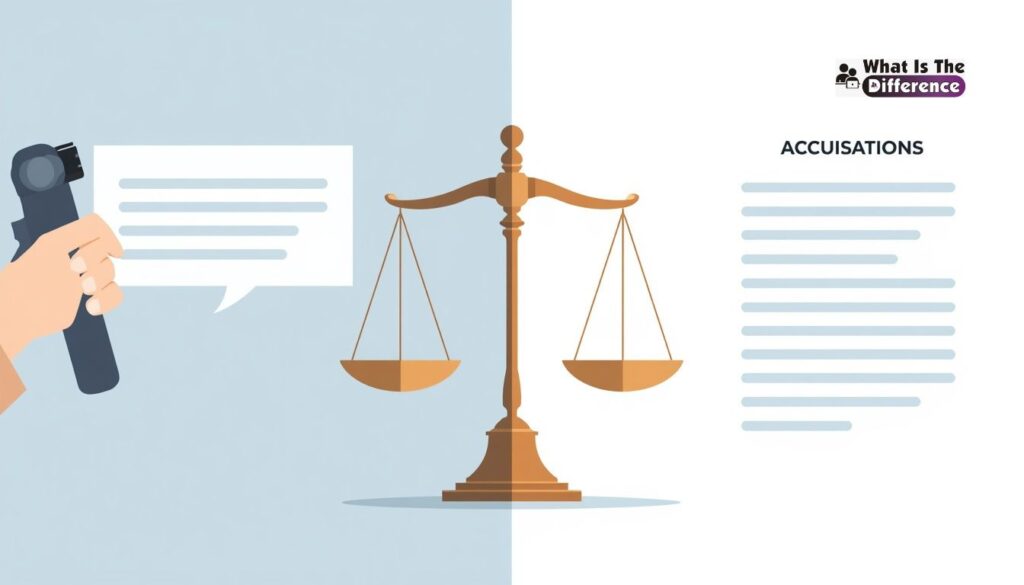
The main difference between slander vs libel is the form of the statement. Slander is spoken defamation. Libel is written or published defamation.
Slander is often verbal and may disappear quickly unless someone records it or witnesses it. Libel is usually more permanent because it exists in a fixed form. A written post, article, or review can be shared repeatedly and may stay online for years.
This difference matters because evidence, damages, and legal strategy can vary. With libel, the harmed person may have stronger proof because the statement exists in writing. With slander, they may need witnesses, recordings, or proof of actual harm.
Still, both can be serious. A spoken rumor can destroy a career. A written lie can damage a business. The impact depends less on the label and more on the false statement, how far it spread, and what harm it caused.
Why the Difference Matters
Understanding slander vs libel is important because people often use the words incorrectly. Many people call every harmful statement “slander,” even when the statement was written online. In legal terms, that online post is more likely to be libel.
The difference may also affect what kind of evidence is needed. If a defamatory statement was posted online, the injured person may save screenshots, URLs, timestamps, and copies. If the statement was spoken, they may need witness statements or recordings, depending on local laws.
The difference can also affect damages. In traditional defamation law, libel has often been treated as more naturally harmful because it is permanent or widely distributed. Slander may sometimes require clearer proof of actual harm, although rules can vary by jurisdiction.
Common Examples of Slander
Slander often appears in everyday situations. It may happen in workplaces, schools, business meetings, public events, or private conversations that reach other people.
A person may falsely accuse someone of committing a crime. A manager may spread an untrue claim that an employee falsified records. A competitor may tell clients that a business is dishonest. A neighbor may falsely claim someone is dangerous or abusive.
These statements become legally serious when they are presented as facts, shared with someone else, and cause reputational harm. A private insult between two people is usually not enough. Defamation usually requires that the false statement be communicated to a third party.
Common Examples of Libel
Libel is especially common online. A false blog post, damaging Facebook update, misleading tweet, fake review, or harmful article can all raise legal concerns.
A customer may falsely write that a restaurant uses spoiled food. A former employee may publish untrue claims about a company committing fraud. A blogger may accuse a person of a crime without evidence. A social media user may post false allegations that spread quickly.
Online libel can be especially damaging because search engines, screenshots, shares, and reposts can keep the statement alive. Even deleted posts may still exist through cached pages, screenshots, archives, or saved messages.
Is Social Media Slander or Libel?
Most written social media posts are usually treated as libel because they are published in a fixed form. Posts, captions, comments, reviews, and tweets are written statements that can be saved and shared.
However, social media can also involve spoken statements. A false verbal claim made during a livestream, video, podcast, or audio clip may be closer to slander, though courts may look at whether the content was recorded, published, or widely distributed.
This is where modern defamation law becomes less simple. A live spoken statement that is recorded and posted may have qualities of both slander and libel. The exact classification can depend on the facts and the law in the relevant location.
For everyday readers, the safest rule is simple: do not post or say damaging factual claims about someone unless you know they are true and can support them.
What Must Be Proven?
To prove defamation, a person usually needs to show several basic elements. The exact rules vary by state or country, but the core ideas are similar.
First, there must be a false statement of fact. Opinions are usually protected, but a statement that sounds like a factual accusation may create risk.
Second, the statement must be communicated to someone other than the person being discussed. If nobody else hears or sees it, reputation is less likely to be harmed.
Third, the statement must identify the person or business. The name does not always need to be stated directly if people can reasonably understand who is being discussed.
Fourth, the statement must cause harm or fall into a category where harm may be presumed. Harm can include lost income, lost clients, damaged career opportunities, emotional distress, or public humiliation.
Finally, the person making the statement must usually be at fault. This may mean negligence, reckless disregard, or actual malice, depending on whether the injured person is a private individual or public figure.
Public Figures and Private People
Defamation cases can become more difficult when the injured person is a public figure. Public officials, celebrities, politicians, and some influencers may have to prove “actual malice.” This means the statement was made with knowledge that it was false or with reckless disregard for whether it was true.
Private individuals usually have a lower burden in many cases. They may only need to show that the person who made the statement acted negligently. In simple terms, negligence means the speaker or writer failed to use reasonable care before making the claim.
This higher standard for public figures exists because public debate often involves criticism, mistakes, and strong opinions. The law protects open discussion, especially about public issues, while still allowing lawsuits for knowingly or recklessly false statements.
Truth Is a Strong Defense
Truth is one of the strongest defenses in a defamation case. A statement generally cannot be defamatory if it is substantially true, even if it is embarrassing or damaging.
For example, if someone accurately reports that a business was fined by a regulator, the business may dislike the attention, but the statement is not defamation if it is true. The law does not protect reputation from truthful facts.
Opinion is another important defense. Saying “I think this restaurant has poor service” is usually an opinion. Saying “this restaurant steals customers’ credit card information” is a factual claim. The second statement is much riskier if it is false.
Opinion vs False Fact
Many defamation disputes turn on whether a statement is opinion or fact. The difference is not always obvious.
An opinion expresses a personal view, feeling, or judgment. A factual statement claims something that can be proven true or false. Courts often look at the wording, context, audience, and whether the statement implies hidden facts.
For example, “I think he is unprofessional” is likely opinion. “He lied on official documents” sounds like a factual accusation. If the accusation is false and harmful, it may support a defamation claim.
A smart way to reduce risk is to avoid presenting assumptions as facts. Use careful language. Share what you personally experienced rather than making broad accusations you cannot prove.
Damages in Defamation Cases
Damages are the harm caused by the defamatory statement. They can be financial, professional, emotional, or reputational.
A business may lose customers after a false review goes viral. A worker may lose a promotion because of a false accusation. A professional may lose clients after a damaging article. In some cases, the harm is easy to measure. In others, it may be harder to prove.
Courts may consider lost income, lost business opportunities, emotional distress, harm to reputation, and the seriousness of the statement. The wider the statement spreads, the greater the potential damage may be.
What To Do If You Are Defamed
If you believe you are a victim of slander or libel, start by preserving evidence. Save screenshots, messages, posts, recordings, emails, names of witnesses, dates, and any proof of harm.
Do not respond in anger. A heated public reply can make the situation worse. Instead, document what happened clearly and calmly.
You may consider asking for a correction, retraction, or removal. In some cases, a formal letter from an attorney may be appropriate. If the statement caused serious harm to your career, business, or safety, speaking with a defamation lawyer can help you understand your options.
How To Avoid Defamation
The best way to avoid defamation is to be careful with factual claims. Before speaking or posting, ask yourself: Do I know this is true? Can I prove it? Am I stating an opinion, or am I accusing someone of a specific act?
Avoid repeating rumors. Reposting or sharing a false claim can still create legal risk, even if you were not the original source. Be especially careful with accusations involving crime, dishonesty, professional misconduct, disease, abuse, or financial wrongdoing.
For businesses, it is wise to have clear communication policies. Employees, social media managers, and customer service teams should understand the difference between fair criticism and risky accusations.
Final Thoughts
The real difference between slander vs libel comes down to form. Slander is spoken defamation. Libel is written or published defamation. Both involve false statements that can damage a person’s or business’s reputation.
In daily life, the line can become blurry, especially online. A social media post is usually libel. A spoken rumor is usually slander. A recorded livestream may require closer legal analysis.
The most important lesson is simple: words have consequences. Whether spoken in a room or published online, false claims can cause real harm. Understanding defamation law helps people protect their reputation while communicating with honesty, fairness, and care.
Frequently Asked Questions
What is the basic difference between libel and slander?
The main difference between libel and slander is the form of communication. Libel refers to written or published false statements, while slander refers to spoken false statements. Both can damage a person’s reputation and may lead to legal action.
What are the three types of defamation?
The three commonly discussed forms of defamation are libel, slander, and online defamation. Libel involves written statements, slander involves spoken statements, and online defamation covers false claims shared through websites, social media, reviews, or digital platforms.
What are the five elements of defamation?
To prove defamation, a person usually must show five elements: a false statement, publication to another person, identification of the victim, reputational harm, and fault or negligence by the person making the statement. Laws may vary slightly depending on the jurisdiction.
Is slander a criminal case?
In most situations, slander is treated as a civil matter, not a criminal case. The harmed person may sue for financial damages or reputation loss. However, some countries and states still have criminal defamation laws in limited situations.
What are the 4 elements of slander?
The four basic elements of slander are a false spoken statement, communication to a third party, harm caused to the victim’s reputation, and fault by the speaker. Evidence such as witnesses or recordings may help support a slander claim.
Research note: This article was informed by legal references from Cornell Legal Information Institute, FindLaw, Digital Media Law Project, and related defamation law materials. Key points include that defamation covers both libel and slander, libel is generally written or fixed, slander is generally spoken, truth is a major defense, and public figures often face the actual malice standard. (Legal Information Institute)