
Introduction
If you’ve ever come across the terms DUI and DWI, you might have assumed they mean the same thing. Many people use them interchangeably, but the truth is a bit more nuanced. The difference between DUI and DWI can affect legal consequences, penalties, and even your long-term record.
Understanding these terms isn’t just about legal knowledge—it can help you make safer decisions and avoid serious trouble. In this guide, we’ll break everything down in simple terms, from definitions to real-life examples, so you can clearly understand what sets DUI and DWI apart.
| Feature | DUI (Driving Under the Influence) | DWI (Driving While Intoxicated) |
|---|---|---|
| Meaning | Driving under influence of alcohol or drugs | Driving with a higher level of intoxication |
| Level of Impairment | Usually lower or moderate impairment | Typically higher impairment |
| BAC Level | May be below legal limit | Usually at or above 0.08% |
| Severity | Often considered less severe | Often considered more serious |
| Usage by States | Used as a general or broad term | Used for stricter or specific cases |
| Legal Definition | Varies widely by state | Also varies, often stricter |
| Substances Involved | Alcohol, drugs, or medications | Mostly alcohol-related cases |
| Charges | Can apply even with slight impairment | Applied when clear intoxication is proven |
| Penalties | Fines, license suspension, possible jail | Higher fines, longer suspension, possible jail |
| Driving Record Impact | Stays on record, affects insurance | Same impact but often more severe |
| First-Time Offense | May result in lighter penalties | May still carry stricter consequences |
| Public Perception | Seen as less serious in some areas | Viewed as more dangerous offense |
What Do DUI and DWI Mean?
Definition of DUI (Driving Under the Influence)
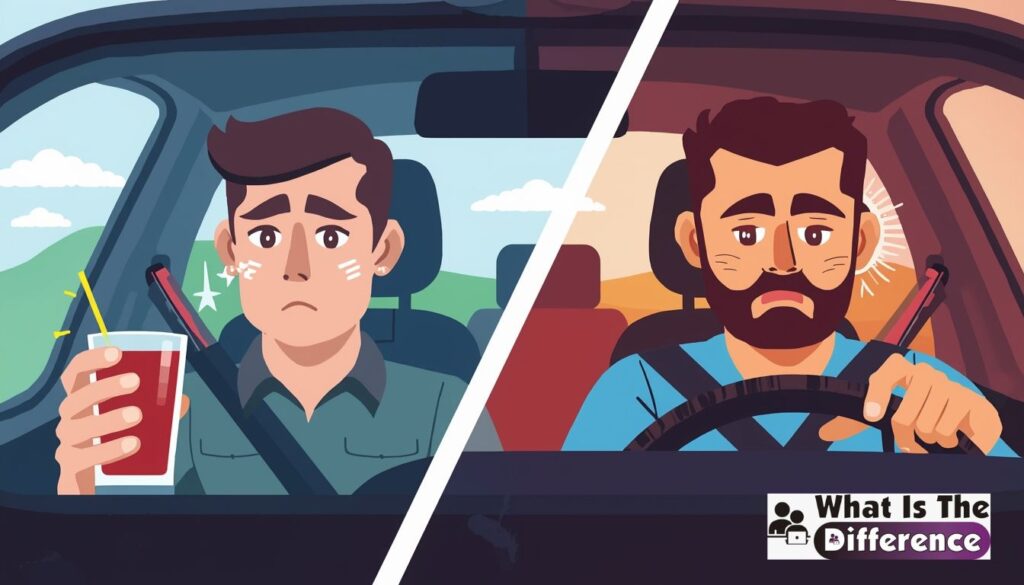
DUI stands for Driving Under the Influence. It generally refers to operating a vehicle while impaired by alcohol, drugs, or even certain prescription medications.
In many states, DUI is used as a broad term that covers any level of impairment—whether it’s mild or severe. Even if your blood alcohol concentration (BAC) is below the legal limit, you can still be charged with DUI if your driving ability is affected.
Definition of DWI (Driving While Intoxicated)
DWI typically stands for Driving While Intoxicated or Driving While Impaired, depending on the state. It often refers to a higher level of intoxication compared to DUI.
In some jurisdictions, DWI is considered the more serious offense, usually involving a BAC above the legal limit (commonly 0.08% or higher).
Why States Use Different Terms
Here’s where it gets tricky: the meaning of DUI and DWI varies by state. Some states use only one term, while others distinguish between the two based on severity.
For example:
- One state may treat DUI as a lesser charge and DWI as more serious
- Another state may use DUI as the umbrella term for all impaired driving
Because laws differ, it’s important to check your local regulations. You can explore general definitions of DUI on Wikipedia for a broader overview.
Difference Between DUI and DWI: Key Distinctions
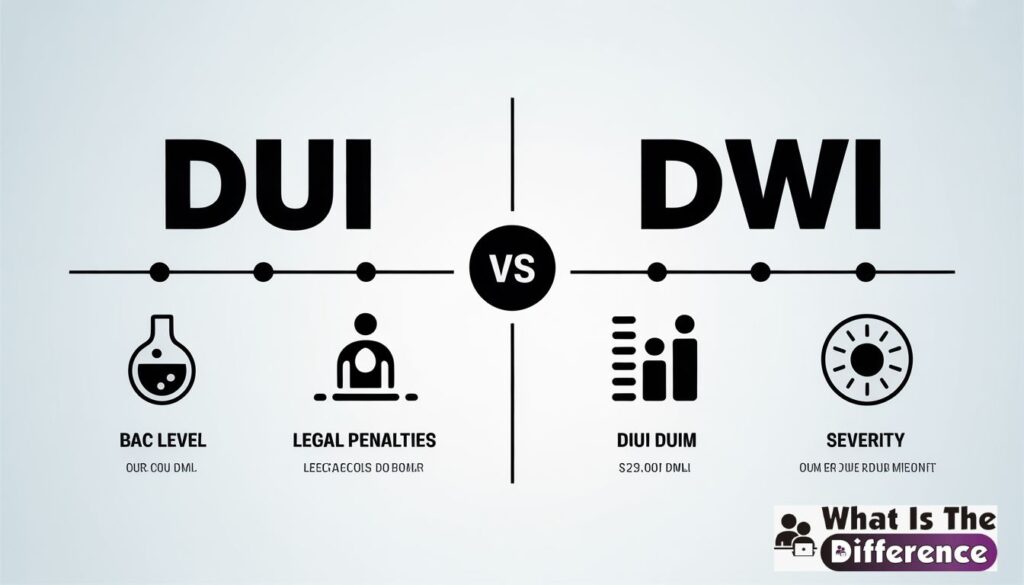
Understanding the difference between DUI and DWI comes down to a few key factors.
Level of Impairment
The most important distinction is the level of impairment:
- DUI: Often involves lower levels of impairment
- DWI: Usually indicates higher intoxication or clear impairment
For example, a driver slightly impaired after one drink might face a DUI, while someone with a high BAC could face a DWI.
Legal Definitions by State
State laws play a huge role. In some places:
- DUI = any impairment
- DWI = intoxication beyond legal limits
In others, the terms may be reversed or used interchangeably. This variation is why legal advice is often necessary in these cases.
Charges and Penalties
Both DUI and DWI carry serious consequences, but DWI often results in harsher penalties:
- Higher fines
- Longer license suspension
- Possible jail time
Repeat offenses can significantly increase the severity of both charges.
Impact on Your Driving Record
A conviction for either offense can stay on your record for years. This can lead to:
- Increased insurance premiums
- Difficulty finding employment
- Long-term legal consequences
DUI vs DWI: Which One Is Worse?
Severity of Charges
In many states, DWI is considered more serious because it involves a higher level of intoxication. However, this is not always the case.
Some states treat DUI and DWI equally, while others assign different penalties depending on the situation.
Long-Term Consequences
Regardless of the term used, both charges can have lasting effects:
- A criminal record
- Limited job opportunities
- Travel restrictions in some countries
The key takeaway: both DUI and DWI are serious offenses, and neither should be taken lightly.
How to Understand DUI and DWI Laws in Your State
If you want to fully understand how these laws apply to you, here’s a simple step-by-step approach.
Step 1: Check Your State’s Legal Definitions
Start by reviewing how your state defines DUI and DWI. This will clarify whether there’s a distinction or not.
Step 2: Know the BAC Limits
Most states set the legal BAC limit at 0.08% for adult drivers. However:
- Commercial drivers often have lower limits
- Underage drivers may have zero-tolerance laws
Step 3: Learn the Penalties
Understand what happens if you’re charged:
- Fines and court fees
- License suspension
- Possible jail time
Knowing the risks can help you make safer decisions.
Step 4: When to Seek Legal Advice
If you’re ever charged with DUI or DWI, consulting a qualified attorney is essential. Laws are complex, and professional guidance can make a big difference in your case.
Real-Life Examples of DUI and DWI Cases
Example 1: DUI with Mild Impairment
A driver has a BAC of 0.05% but is weaving slightly on the road. Even though they’re below the legal limit, they could still be charged with DUI due to impaired driving behavior.
Example 2: DWI with High BAC
A driver is stopped with a BAC of 0.12%. This exceeds the legal limit and would likely result in a DWI charge, along with stricter penalties.
Example 3: Drug-Related DUI Case
A driver under the influence of prescription medication may not have alcohol in their system but can still face a DUI charge if their ability to drive is impaired.
Common Mistakes People Make About DUI and DWI
Assuming They Mean the Same Thing Everywhere
Laws vary widely, so what applies in one state may not apply in another.
Underestimating the Consequences
Many people think a first offense isn’t serious—but it can still have lasting effects.
Believing You’re Safe Below the Limit
Even if you’re under 0.08%, you can still be charged if your driving is impaired.
Ignoring Legal Advice After a Charge
Failing to seek help can lead to worse outcomes in court.
Tips to Avoid DUI or DWI Charges
Plan a Safe Ride in Advance
Always arrange a designated driver or use a rideshare service.
Understand Your Alcohol Limits
Everyone processes alcohol differently, so it’s best not to rely on estimates.
Use Rideshare or Public Transport
It’s often cheaper and far safer than risking a charge.
Avoid Driving After Medication or Drugs
Even legal medications can impair your ability to drive safely.
FAQs About the Difference Between DUI and DWI
Is DUI the same as DWI?
Not always. The meaning depends on the state, but DUI often refers to general impairment, while DWI may indicate higher intoxication.
Which is more serious, DUI or DWI?
In many states, DWI is considered more severe, but this varies depending on local laws.
Can you be charged without drinking alcohol?
Yes. Drug impairment—including prescription medication—can lead to a DUI charge.
Do DUI and DWI stay on your record?
Yes, both can remain on your driving and criminal record for years.
Does every state use both terms?
No. Some states use only DUI, while others use only DWI or both.
Can a DUI or DWI be reduced or dismissed?
In some cases, charges can be reduced or dismissed, especially with legal representation and favorable circumstances.
Conclusion
The difference between DUI and DWI may seem confusing at first, but it becomes clearer once you understand how states define and apply these terms. In general, DUI refers to driving under any level of impairment, while DWI often indicates more severe intoxication—but the exact meaning depends on where you are.
What matters most is recognizing that both offenses carry serious consequences. By understanding the laws, making responsible choices, and planning ahead, you can avoid the risks altogether.
Safe driving isn’t just about following the law—it’s about protecting yourself and everyone else on the road.