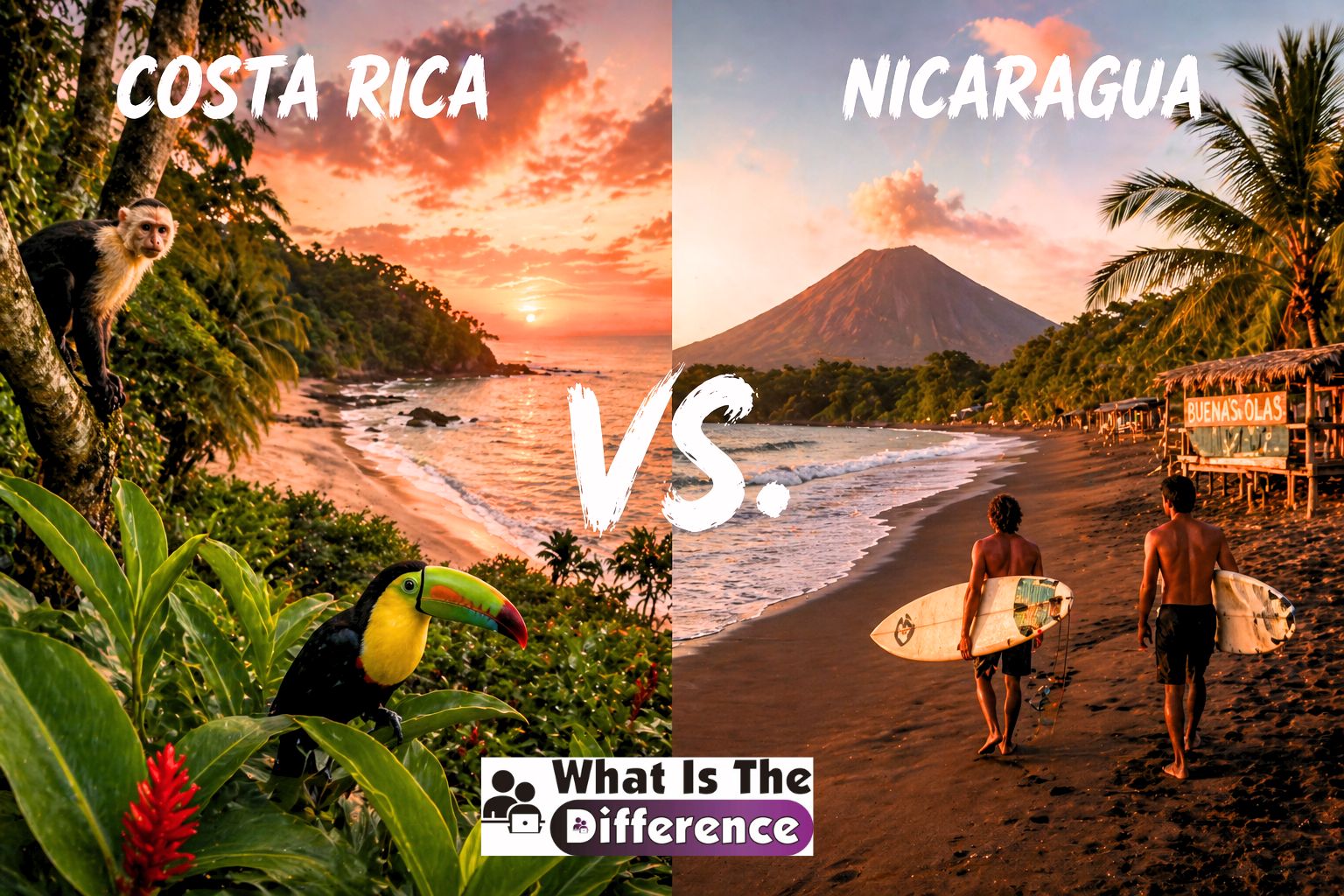
Choosing between Costa Rica vs. Nicaragua is not as simple as picking the prettier country on a map. These two Central American neighbors share volcanoes, tropical coastlines, Spanish colonial history, and warm hospitality, yet they offer very different travel experiences.
Costa Rica is polished, popular, and built around eco-tourism. It is the place many travelers choose for wildlife, national parks, organized tours, and comfortable beach towns. Nicaragua feels more raw, less commercial, and often more affordable. It attracts travelers who want colonial cities, surf beaches, volcano adventures, and a slower local rhythm.
Both countries can deliver a beautiful trip. The better choice depends on your budget, travel style, comfort level, and the kind of beach or cultural experience you want.
| Feature | Costa Rica | Nicaragua |
|---|---|---|
| Overall Experience | Polished and tourist-friendly | Raw and less commercialized |
| Beaches | Clean, accessible, well-developed | Quiet, wild, less crowded |
| Travel Cost | Expensive for most travelers | Budget-friendly and affordable |
| Accommodation | Wide range, from hostels to luxury | Mostly budget to mid-range options |
| Food | Slightly expensive, simple dishes | Cheaper, traditional and filling |
| Culture | “Pura Vida” lifestyle, eco-focused | Authentic, colonial and local feel |
| Popular Destinations | Manuel Antonio, Tamarindo, Nosara | Granada, León, San Juan del Sur |
| Infrastructure | Strong roads, transport, services | Basic infrastructure in many areas |
| Safety | Generally safer for tourists | Requires more caution |
| Activities | Eco-tours, wildlife, ziplining | Volcano boarding, surfing, culture |
| Crowds | Popular and sometimes crowded | Less crowded, more peaceful |
| Best For | Families, first-time travelers | Backpackers, adventure seekers |
Costa Rica vs. Nicaragua at a Glance
In a broad comparison, Costa Rica is easier for first-time visitors. Tourism is highly developed, English is more commonly spoken in popular areas, and the country has a strong reputation for nature-based travel. More than a quarter of Costa Rica’s land is protected for conservation, which helps explain why wildlife, rainforests, and national parks are such a big part of the travel experience.
Nicaragua is better for travelers who want lower prices and a less packaged feel. It has Pacific surf towns, Caribbean islands, volcano routes, colonial cities, and Lake Nicaragua, one of the region’s most distinctive landscapes. Nicaragua’s official tourism routes highlight nature, culture, ecotourism, rural tourism, volcanoes, and Lake Cocibolca as major draws.
Costa Rica feels more organized. Nicaragua feels more adventurous. Costa Rica is often easier. Nicaragua is often cheaper. Costa Rica is better for travelers who value convenience. Nicaragua is better for travelers who value atmosphere and affordability.
Beaches in Costa Rica
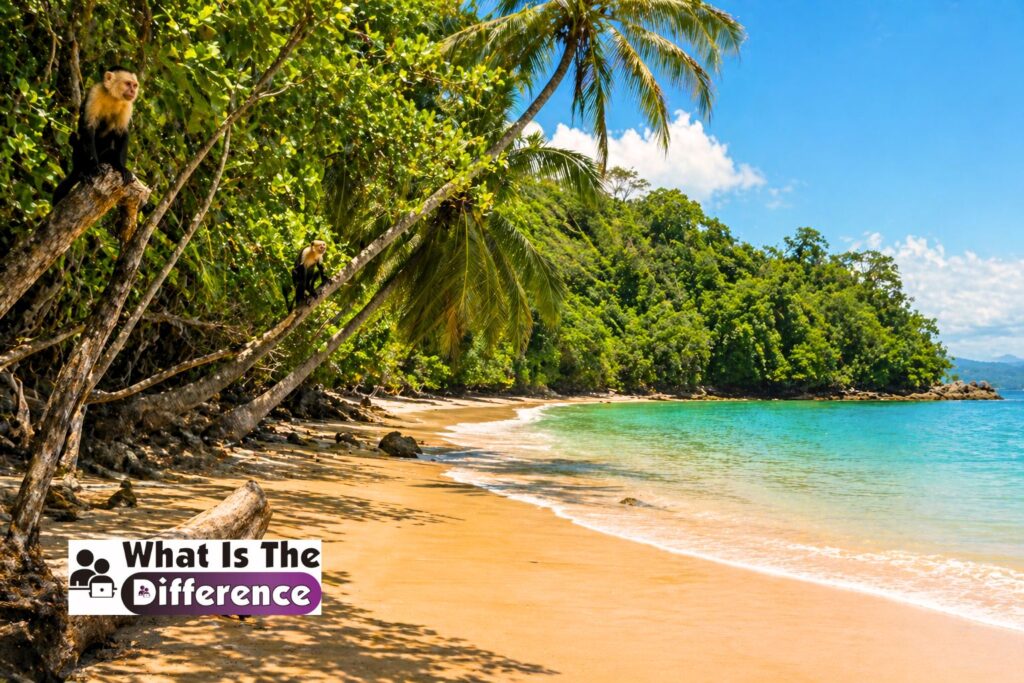
Costa Rica has some of the most famous beaches in Central America. The country has both Pacific and Caribbean coastlines, so the beach experience changes depending on where you go.
On the Pacific side, places like Tamarindo, Santa Teresa, Manuel Antonio, Nosara, and Jacó are popular with surfers, families, digital nomads, and vacationers. These towns usually have hotels, restaurants, tour operators, surf schools, and shuttle connections. That makes Costa Rica a strong choice if you want beach time without too much planning stress.
Manuel Antonio is especially loved because it combines beaches with wildlife. It is common for visitors to see monkeys, sloths, iguanas, and tropical birds around the park area. Tamarindo is more developed and lively, with surf lessons, restaurants, nightlife, and easy access to tours. Santa Teresa and Nosara feel more laid-back, with yoga, surfing, wellness retreats, and boutique stays.
Costa Rica’s Caribbean coast has a different mood. Puerto Viejo, Cahuita, and nearby beaches offer Afro-Caribbean culture, relaxed food spots, jungle-backed coastlines, and a slower rhythm. The Caribbean side is less polished than some Pacific beach towns, but it has more personality and color.
The main drawback is cost. Costa Rica’s best-known beach towns can feel expensive, especially in the dry season. Accommodation, tours, meals, and transportation often cost more than travelers expect.
Beaches in Nicaragua
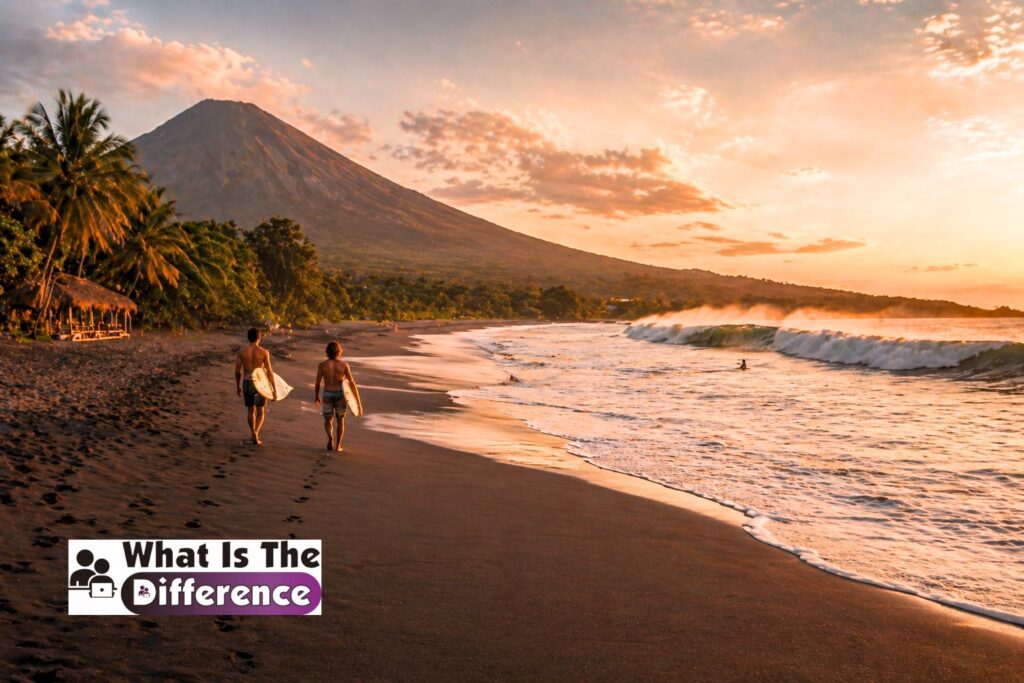
Nicaragua’s beaches are less developed but often more peaceful. If Costa Rica’s beach towns feel busy or expensive, Nicaragua may feel refreshing.
San Juan del Sur is Nicaragua’s best-known beach town. It has hostels, restaurants, nightlife, surf shuttles, and a social backpacker scene. Nearby Playa Maderas is popular with surfers and travelers looking for a more relaxed beach day. The Pacific coast has dramatic sunsets, dark volcanic sand in some areas, and a rugged natural feel.
The Corn Islands offer a completely different side of Nicaragua. Big Corn and Little Corn sit in the Caribbean and are known for clear water, coral reefs, diving, snorkeling, and a laid-back island lifestyle. Travel sources often describe the Corn Islands as relaxed tropical escapes, especially for travelers who want beaches without the heavy resort atmosphere.
Nicaragua’s beaches can be beautiful, but they require more patience. Roads, transport, and services may be less convenient than in Costa Rica. Some beaches are harder to reach, and fewer areas have the same level of tourism infrastructure.
That is also part of the appeal. Nicaragua’s coast can feel more local, less crowded, and less commercial. For surfers, backpackers, and travelers who like places before they become too developed, Nicaragua has a strong pull.
Beach Verdict
For easy beach travel, Costa Rica wins. It has more developed beach towns, better transport options, more tour services, and a wider range of hotels.
For quiet beaches and better value, Nicaragua wins. It offers surf, island escapes, and less crowded coastlines at lower prices.
Choose Costa Rica if you want comfort, wildlife, and convenience. Choose Nicaragua if you want affordability, surf culture, and a more untouched feeling.
Costs in Costa Rica
Costa Rica is one of the more expensive destinations in Central America. Budget travelers can still manage costs, but the country is not as cheap as many first-time visitors expect.
A basic backpacker budget in Costa Rica often requires staying in hostels, eating at local sodas, using public buses, and limiting paid tours. Recent budget guides place low-cost Costa Rica travel around the range of roughly $45 to $80 per day, while mid-range travel can rise much higher depending on accommodation and activities.
Tours are one of the biggest expenses. Ziplining, guided wildlife walks, hot springs, rafting, surf lessons, and national park visits can add up quickly. Rental cars also increase the budget, especially once insurance and fuel are included.
Food can be affordable if you eat local. A casado, the traditional plate with rice, beans, protein, salad, and plantains, is usually better value than international restaurant meals in tourist towns. Still, Costa Rica’s beach destinations often charge prices closer to North American or European expectations than to classic Central American backpacker prices.
The upside is quality. Costa Rica generally offers smoother logistics, more reliable tourism services, and a broad range of accommodation. You often pay more, but you also get convenience.
Costs in Nicaragua
Nicaragua is usually much cheaper than Costa Rica. Accommodation, local food, buses, and many activities cost less. For budget travelers, this is one of Nicaragua’s biggest advantages.
Travel cost comparisons commonly place Nicaragua among the better-value countries in Central America, while Costa Rica sits at the higher end of the region. One Central America budget guide estimates a lower minimum daily budget for Nicaragua than Costa Rica, reflecting the price gap many travelers notice on the ground.
In Nicaragua, hostels and guesthouses are often affordable, local meals are inexpensive, and public transportation is cheap. A traveler who is comfortable with basic rooms, buses, local markets, and casual restaurants can stretch their money much further than in Costa Rica.
Activities are often cheaper too. Volcano boarding near León, island stays on Ometepe, walking tours in Granada, and surf trips around San Juan del Sur can be good value. The Corn Islands may cost more because of flights or boat travel, but daily life there can still feel less expensive than many Costa Rican beach towns.
The trade-off is infrastructure. Cheaper does not always mean easier. Transportation can take longer, services may be simpler, and luxury options are more limited outside selected areas.
Cost Verdict
Nicaragua is the clear winner for budget travel. Your money generally goes further, especially if you are flexible and comfortable with simpler travel.
Costa Rica is better for travelers who are willing to pay more for convenience, organized tours, polished eco-lodges, and easier planning.
For backpackers, Nicaragua has the edge. For families or comfort-focused travelers, Costa Rica may be worth the extra cost.
Culture in Costa Rica
Costa Rican culture is often summed up by the phrase “Pura Vida.” It means “pure life,” but in practice it expresses a relaxed, grateful, easygoing attitude. You hear it as a greeting, a goodbye, and a way of saying everything is good.
Costa Rica’s modern travel identity is closely tied to nature. Eco-tourism is not just a marketing phrase here; it shapes how many visitors experience the country. Wildlife guides, national parks, biological reserves, cloud forests, and sustainable lodges are central to the Costa Rican travel experience.
The culture is friendly and welcoming, especially in tourism areas. Because the country has welcomed international travelers for decades, many locals working in tourism are used to helping visitors navigate language, transportation, and activities.
Food is simple, hearty, and comforting. Gallo pinto, casados, plantains, fresh fruit, coffee, ceviche, and local seafood are common. Costa Rican food is not usually spicy or flashy, but it fits the country’s relaxed personality.
Some travelers may find Costa Rica less “raw” than expected because tourism is so developed. In popular areas, the local culture can feel partly blended with international surf, yoga, wellness, and expat communities. That can be enjoyable, but it may feel less deeply local than Nicaragua.
Culture in Nicaragua
Nicaragua feels more traditional and less commercialized. Its culture is shaped by colonial cities, Catholic festivals, local markets, music, poetry, volcano landscapes, and strong regional identities.
Granada is one of the country’s cultural highlights. With colorful colonial buildings, churches, plazas, horse-drawn carriages, and views toward Lake Nicaragua, it gives visitors a strong sense of history. León has a more intellectual and artistic character, with murals, universities, revolutionary history, and a lively local feel.
Nicaragua’s official tourism materials emphasize folklore, cultural expressions, colonial cities, archaeological sites, and nature as core parts of the country’s identity.
Food in Nicaragua is filling and traditional. Gallo pinto is also common here, but you will also find nacatamales, vigorón, quesillo, grilled meats, plantains, fresh cheese, and local cacao-based drinks. Markets are a good place to see daily life up close.
Compared with Costa Rica, Nicaragua often feels less filtered for tourists. That can make cultural experiences feel more genuine. It can also mean fewer English-speaking services and less predictable logistics.
Culture Verdict
Costa Rica offers a warm, nature-focused culture with a strong tourism framework. It is easy to enjoy, especially for first-time visitors.
Nicaragua offers a deeper sense of colonial history, local rhythm, and traditional daily life. It may feel more authentic to travelers who prefer less polished destinations.
For eco-culture and comfort, choose Costa Rica. For history, local atmosphere, and raw charm, choose Nicaragua.
Safety and Travel Ease
Safety is an important part of the Costa Rica vs. Nicaragua decision.
Costa Rica currently has a U.S. travel advisory of Level 2, meaning travelers are advised to exercise increased caution due to crime. Petty theft, car break-ins, and theft from tourists can happen, especially in busy travel areas.
Nicaragua has a higher U.S. advisory level. The U.S. State Department advises travelers to reconsider travel because of issues including arbitrary enforcement of laws, risk of wrongful detention, limited healthcare availability, and crime. Canada also advises a high degree of caution because of the political situation, potential civil unrest, and crime.
This does not mean every traveler will have problems in Nicaragua. Many people visit and enjoy the country. However, the risk profile is different from Costa Rica, and travelers should take official guidance seriously.
In terms of ease, Costa Rica is simpler. There are more shuttles, more organized tours, more English-speaking guides, and more travel companies. Nicaragua requires more independence, more Spanish, and more flexibility.
Best for Different Travelers
Costa Rica is best for families, wildlife lovers, honeymooners, first-time Central America travelers, and people who want nature without giving up comfort. It is also ideal for travelers who enjoy organized activities such as ziplining, rafting, guided hikes, hot springs, birdwatching, and surf lessons.
Nicaragua is best for backpackers, surfers, slow travelers, photographers, and travelers who enjoy colonial cities and lower costs. It suits people who do not mind rougher edges and who prefer atmosphere over convenience.
For digital nomads, Costa Rica has more established hubs such as Tamarindo, Santa Teresa, Nosara, and San José. Nicaragua can work too, especially in Granada, León, or San Juan del Sur, but internet reliability and infrastructure may vary more.
For luxury travel, Costa Rica has more options. For budget adventure, Nicaragua is stronger.
Pros of Costa Rica
Costa Rica’s biggest strengths are biodiversity, infrastructure, and ease. You can visit rainforests, volcanoes, beaches, waterfalls, hot springs, cloud forests, and wildlife reserves in one trip.
It is also a good choice for travelers who want a balance of adventure and comfort. You can spend the morning watching monkeys in the forest and the evening at a polished eco-lodge or beach restaurant.
Costa Rica is not the cheapest option, but it delivers a smooth and memorable trip when planned well.
Cons of Costa Rica
The biggest downside is price. Costa Rica can feel expensive compared with its neighbors. Popular destinations may also feel crowded in high season.
Some beach towns have become heavily developed, and travelers looking for a deeply local experience may find certain areas too international.
Costa Rica is still beautiful, but it is no longer a hidden gem. It is popular for a reason, and that popularity comes with higher prices.
Pros of Nicaragua
Nicaragua’s biggest strengths are affordability, atmosphere, and variety. You can explore colonial cities, surf beaches, volcanoes, islands, markets, and lakes without spending as much as you might in Costa Rica.
The country feels less commercial, which many travelers love. It has a sense of discovery that can be harder to find in Costa Rica’s most visited areas.
Nicaragua is especially rewarding for travelers who like slow travel and do not need everything arranged in advance.
Cons of Nicaragua
Nicaragua’s main drawbacks are safety concerns, political risk, limited healthcare availability, and less developed tourism infrastructure. Official advisories are more serious than Costa Rica’s, and travelers should review current guidance before booking.
Transport can be slower, services can be simpler, and some beach areas are less convenient to reach. For travelers who want a stress-free vacation, Nicaragua may feel more demanding.
It is beautiful, but it asks for more patience.
Final Verdict
The best choice between Costa Rica vs. Nicaragua depends on what kind of traveler you are.
Choose Costa Rica if you want wildlife, comfort, easy logistics, polished beach towns, eco-tourism, and a safer-feeling first trip to Central America. It costs more, but the experience is smoother and easier to plan.
Choose Nicaragua if you want lower prices, quieter beaches, colonial cities, volcano adventures, and a more local atmosphere. It is better for flexible travelers who value authenticity and affordability over convenience.
For beaches, Costa Rica wins on access and variety, while Nicaragua wins on solitude and value. For costs, Nicaragua wins clearly. For culture, Nicaragua feels deeper and less commercial, while Costa Rica feels warmer, greener, and more tourism-ready.
In the end, Costa Rica is the easier choice. Nicaragua is the more adventurous one. Both are worth visiting, but they reward different kinds of travelers.
Discovering the World on Your Ow
FAQs: Costa Rica vs. Nicaragua
Is Costa Rica safer than Nicaragua?
Costa Rica is generally considered safer for tourists, with a more stable environment and well-developed tourism sector. Petty theft can happen, but serious issues are less common. Nicaragua requires more caution due to political concerns and travel advisories, so it’s important to stay informed and plan carefully.
Which country is cheaper for travel?
Nicaragua is noticeably more affordable than Costa Rica. Budget travelers can stretch their money further on accommodation, food, and transport. Costa Rica offers better infrastructure but at a higher overall cost.
Which has better beaches: Costa Rica or Nicaragua?
Costa Rica has more accessible and well-developed beaches, ideal for families and first-time visitors. Nicaragua’s beaches are less crowded and more untouched, making them perfect for surfers and travelers seeking quiet spots.
Is it easy to travel between Costa Rica and Nicaragua?
Yes, it is possible to travel between the two by land or air. Border crossings are common for travelers exploring Central America, but they can take time, so patience and proper documents are important.
Which country is better for first-time visitors?
Costa Rica is usually the better choice for first-time visitors due to its ease of travel, safety, and organized tourism. Nicaragua is better suited for more experienced travelers who are comfortable with less structure.