Every home owner or renter has probably had that unsettling moment: you spot a fast‑moving insect scuttle across the floor and immediately wonder is that dangerous? Two creatures often mistaken for one another are water bugs and roaches. While both may send a shiver down your spine, they are very different pests both in behavior and in how they affect your health.
Understanding water bug vs roach isn’t just about labeling them correctly; it’s about knowing which one really poses a risk to you and your family. Let’s walk through the differences in a way that’s clear, genuine, and rooted in solid information.
BIO
| Feature | Water Bug | Roach |
|---|---|---|
| Scientific Classification | Belostomatidae (aquatic insects) | Blattodea (cockroaches) |
| Habitat | Outdoors, near water sources | Indoors, especially in kitchens and bathrooms |
| Size | Larger (up to 4 inches) | Smaller (typically 1–3 inches) |
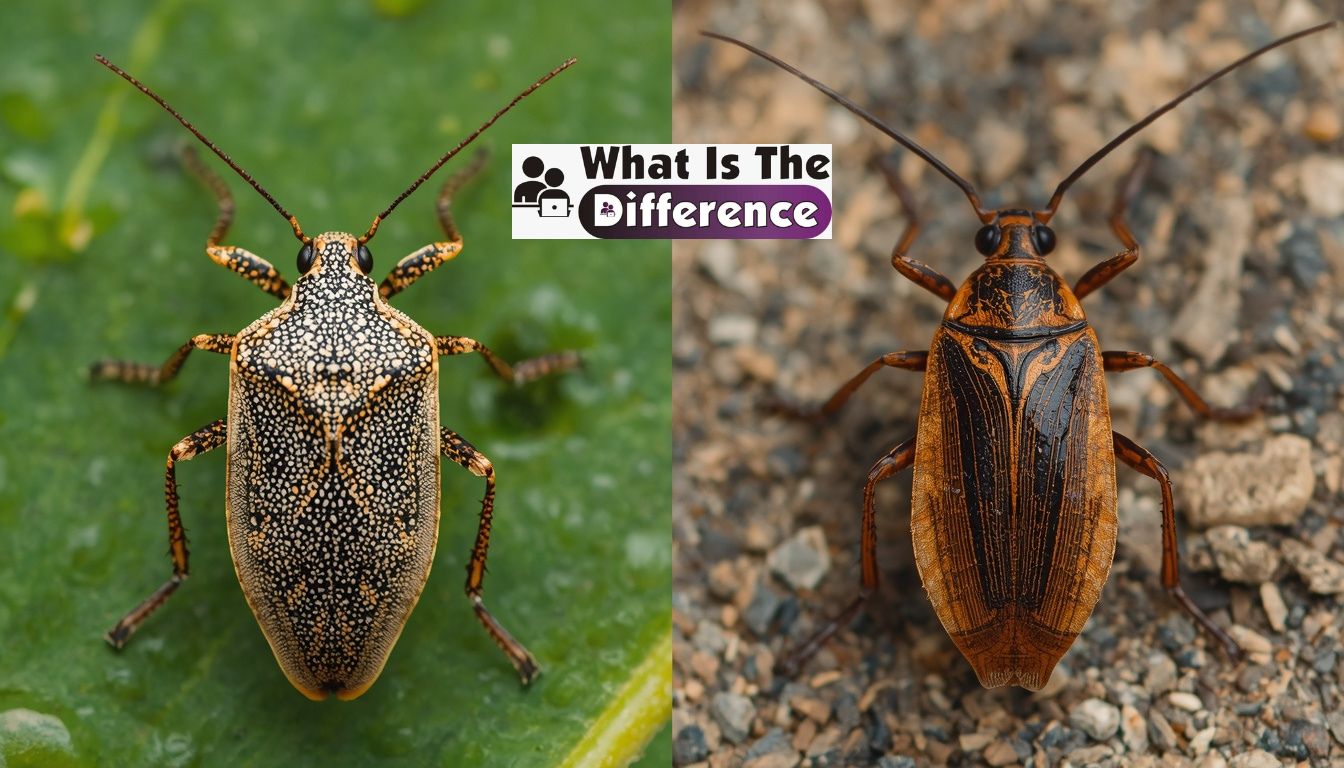
| Appearance | Broad body, long legs, flat | Oval-shaped, long antennae, spiny legs |
| Behavior | Solitary, nocturnal, aggressive when threatened | Nocturnal, often found in groups |
| Diet | Carnivorous (feeds on smaller aquatic creatures) | Omnivorous, scavengers (feed on food scraps) |
| Health Risk | Low (rarely harmful, non-toxic bites) | High (carry bacteria, trigger allergies) |
| Bites | Can bite but rarely harmful | Do not bite but spread bacteria and allergens |
| Disease Transmission | None, not a disease vector | Can spread diseases like E. coli, Salmonella |
| Allergen Risk | Minimal | High (droppings and body parts trigger allergies) |
| Reproduction | Slow, fewer offspring | Rapid reproduction, large infestations possible |
| Impact on Homes | Rare indoor presence, found near water sources | Common indoor pest, causes contamination |
| Control Methods | Reduce water sources, seal entry points | Maintain cleanliness, seal cracks, pest control |
What Are Water Bugs and Roaches?
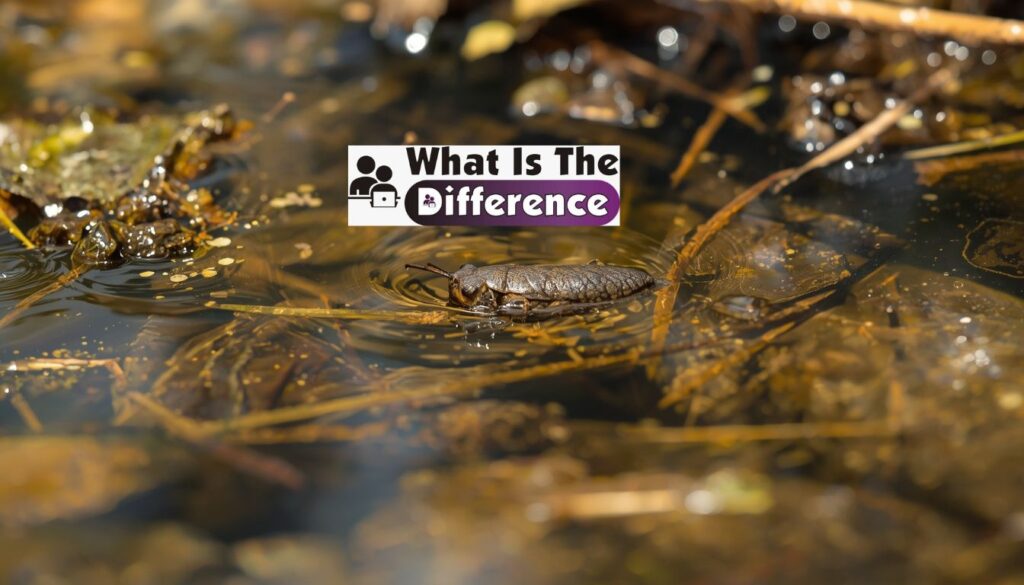
At first glance, water bugs and roaches may look similar to an untrained eye. Both are relatively flat, oval‑shaped insects, brown in color, and often seen in damp areas. But that’s where the similarities pretty much end.
Water bugs are true aquatic insects from the family Belostomatidae. They live in or around natural water sources like ponds, streams, and wetlands, and are predators that hunt small water animals and insects. True water bugs are not typically indoor pests and rarely make homes inside human houses.
In contrast, roaches are insects from the order Blattodea, and many species are infamous for invading human dwellings. Some cockroaches reproduce rapidly and thrive in warm, damp corners of kitchens, bathrooms, basements, and sewer systems.
Interestingly, many people in everyday conversation call large cockroaches “water bugs” simply because they are found near moisture in the home but that’s a misnomer. Species like the American cockroach or Oriental cockroach aren’t true water bugs, even though the name “waterbug” is often used for them.
Spotting the Difference: How They Look and Behave
Even though water bugs and roaches can look alike in a snapshot, several features set them apart:
Water bugs tend to:
- Be larger on average and prefer outdoor water habitats.
- Have broad bodies and legs that help them swim.
- Be solitary and not form large indoor infestations.
Roaches, on the other hand:
- Thrive indoors and are adapted to human environments.
- Have long antennae and spiny legs for rapid crawling.
- Reproduce quickly and often form large colonies.
These differences aren’t just physical they play a big role in how each pest interacts with people and environments.
Are Water Bugs Dangerous to Health?
When it comes to true water bugs, the risk to your health is generally low. They don’t live inside houses or feed on human food, and they are not known vectors of disease.
However, it’s important to be aware of some facts about water bug behavior:
- They can bite especially if handled or threatened.
- Their bite is painful and can cause swelling or irritation, earning some species the nickname “toe biters.”
- Despite the pain, their bites are not dangerous or venomous, and they don’t transmit diseases or bacteria to humans.
So while getting bitten by a water bug is unpleasant, it’s not something that typically poses a serious long‑term health issue. Their presence near your home might be a signal of nearby water or standing sources, but not a direct threat inside your living spaces.
Do Roaches Affect Your Health More?
In contrast to water bugs, cockroaches are well‑documented health hazards not because they bite, but because of what they carry and spread.
Here’s how roaches can be a real concern:
1. They Carry Harmful Bacteria
Cockroaches have been found to carry over 30 types of bacteria, including germs that can cause Salmonella and E. coli infections. These bacteria can contaminate food, countertops, utensils, and prepared meals, increasing the risk of food poisoning and gastrointestinal illness.
2. They Trigger Allergies and Asthma
One of the most serious health impacts of roach infestations isn’t from bites it’s from airborne allergens. Roach droppings, shed skin, and saliva contain proteins that can trigger allergic reactions and asthma attacks. This is especially concerning for children and people with respiratory conditions.
3. They Contaminate Surfaces
Roaches are scavengers. They crawl through trash, sewage, and decaying matter and then walk across food preparation areas. That movement can transfer harmful microbes everywhere they go.
4. Infestations Grow Fast
A single female German cockroach, for example, can produce hundreds of offspring within a year meaning that small sightings can quickly become full‑blown infestations in homes.
Comparing the Health Risks: Water Bug vs Roach
Now that we’ve explored both creatures separately, let’s frame it around the key question: which one is more harmful to your health?
Immediate Risk
- Water bugs can bite with painful results, but the effects are temporary and non‑toxic.
- Roaches are unlikely to bite humans but are significant carriers of bacteria and allergens.
Long‑Term Risk
- Water bugs almost never infest homes, so long‑term exposure is rare.
- Roaches can infest kitchens, bathrooms, and living areas, creating ongoing health risks, especially for children and sensitive individuals.
Disease Transmission
- Water bugs are not disease vectors in homes.
- Roaches can contribute to illnesses like food poisoning through contamination and trigger respiratory problems.
In short, when it comes to home health, roaches represent a far more serious and proven health threat than water bugs.
Protecting Your Home From These Pests
Understanding the risk is the first step prevention and control are the next. Here’s what experts recommend:
For Water Bugs
- Fix standing water or slow drainage areas around your property to reduce outdoor water bug appeal.
- Reduce outdoor lighting near water sources at night water bugs can be attracted to lights.
For Roaches
- Cleanliness matters: eliminate crumbs and food debris, store food in sealed containers.
- Seal entry points: cracks in walls, gaps around pipes, and poorly fitted doors can all be entryways.
- Control moisture: repair leaks and keep damp areas dry.
- If infestations persist, professional pest control services can help eliminate roaches and prevent regrowth.
Final Thoughts
The debate of water bug vs roach goes deeper than just identifying what you saw crawl across the floor. It’s about understanding which insect could truly affect your health.
👉 True water bugs might give you a painful surprise, but they’re not dangerous and don’t threaten your health on a larger scale.
👉 Roaches, however, are a well‑established health concern. They carry harmful bacteria, trigger allergies and asthma, and thrive in homes where food, water, and shelter are available.
If you’re experiencing sightings of either, it’s worth taking action but when it comes to lasting health risk, cockroaches are the ones that demand your attention and prevention efforts.
FAQs
1. Are water bugs the same as roaches?
No, water bugs are different from roaches. Water bugs are aquatic insects often found outdoors near water, while roaches are common household pests that thrive indoors.
2. Can water bugs harm humans?
Water bugs can bite if threatened, causing pain and irritation, but their bites are not dangerous or life-threatening. They don’t transmit diseases like roaches do.
3. Are roaches dangerous to health?
Yes, roaches pose significant health risks. They carry bacteria like Salmonella and E. coli, and their droppings can trigger allergies and asthma, particularly in children.
4. How can I prevent water bugs in my home?
Water bugs are usually found outdoors. To prevent them, reduce standing water, seal entry points, and manage outdoor lighting to discourage attraction.
5. How can I get rid of roaches?
Keep your home clean, seal cracks, and eliminate food and water sources. If the problem persists, consider contacting a pest control professional.
6. Do water bugs bite humans?
Yes, water bugs can bite, especially if provoked. However, their bites are not toxic or dangerous, and the pain typically subsides after a short period.
7. Which pest is worse for health: water bug or roach?
Roaches are worse for health because they carry harmful bacteria, trigger allergies, and can spread disease. Water bugs are less of a health threat and are rarely found indoors.