Introduction
When it comes to estate planning, few decisions are as important as choosing the right type of trust. Many people hear terms like revocable trust and irrevocable trust but aren’t sure what they really mean or which one fits their situation.
Understanding the difference between revocable and irrevocable trust is essential if you want to protect your assets, reduce taxes, and ensure your wealth is distributed according to your wishes.
In this guide, we’ll break down both types of trusts in simple terms, compare their key features, and help you decide which option may work best for your goals.
| Feature | Revocable Trust | Irrevocable Trust |
|---|---|---|
| Control Over Assets | Full control retained by grantor | Control transferred to trustee |
| Ability to Change | Can be modified anytime | Difficult to change or revoke |
| Ownership of Assets | Grantor still owns assets | Trust owns the assets |
| Asset Protection | No protection from creditors | Strong protection from creditors |
| Tax Benefits | Limited or no tax advantages | Potential estate tax benefits |
| Flexibility | Highly flexible | Very limited flexibility |
| Probate Avoidance | Yes | Yes |
| Privacy | Keeps estate private | Keeps estate private |
| Medicaid Planning | Not useful | Often used for eligibility planning |
| Complexity | Easier to set up and manage | More complex to establish |
| Cost | Generally lower cost | Higher setup and maintenance cost |
| Best For | Control and convenience | Protection and tax planning |
What Is a Trust?

A trust is a legal arrangement where one party holds and manages assets on behalf of another. It’s commonly used in estate planning to control how assets are distributed after death or even during your lifetime.
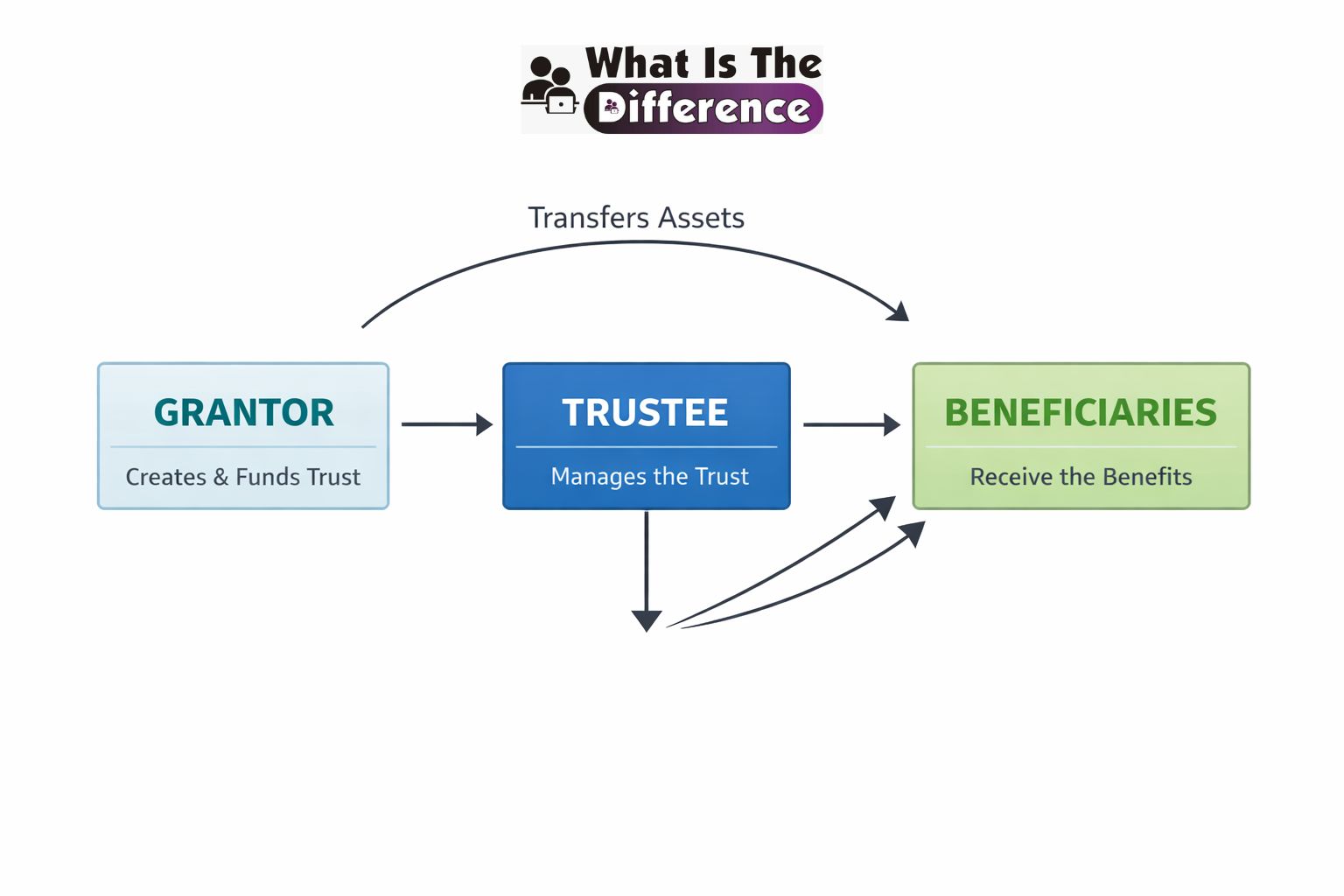
Key Roles in a Trust
- Grantor (or settlor): The person who creates the trust
- Trustee: The individual or institution that manages the trust
- Beneficiaries: The people who receive the benefits or assets
Why People Use Trusts
- Avoid probate (a lengthy legal process)
- Maintain privacy
- Manage assets efficiently
- Provide for family members
- Reduce estate taxes in some cases
If you want a deeper legal definition, you can explore this concept on Wikipedia.
What Is a Revocable Trust?

A revocable trust, also known as a living trust, is a trust that can be modified or canceled at any time during your lifetime.
Key Features of a Revocable Trust
- You retain full control over the assets
- You can change beneficiaries or terms anytime
- You can dissolve the trust entirely if needed
Benefits of a Revocable Trust
1. Flexibility
You can adjust the trust as your life circumstances change marriage, divorce, or new assets.
2. Probate Avoidance
Assets in a revocable trust typically bypass probate, saving time and legal costs.
3. Privacy
Unlike a will, a trust is not part of public record.
Limitations of a Revocable Trust
1. No Asset Protection
Because you still own the assets, creditors can access them.
2. Limited Tax Benefits
There are generally no significant tax advantages while you’re alive.
In simple terms, a revocable trust is about control and convenience, not protection.
What Is an Irrevocable Trust?
An irrevocable trust is a trust that generally cannot be changed or revoked once it is established.
Key Features of an Irrevocable Trust
- You give up ownership of the assets
- Changes are difficult and often require legal approval
- The trust becomes a separate legal entity
Benefits of an Irrevocable Trust
1. Strong Asset Protection
Assets are no longer legally yours, so creditors typically cannot reach them.
2. Estate Tax Reduction
Removing assets from your estate may reduce estate taxes.
3. Medicaid and Long-Term Care Planning
Irrevocable trusts are often used to protect assets while qualifying for government benefits.
Limitations of an Irrevocable Trust
1. Loss of Control
Once assets are transferred, you no longer control them.
2. Lack of Flexibility
Making changes can be complicated and sometimes impossible.
In short, an irrevocable trust focuses on protection and long-term planning, even if it means sacrificing control.
Difference Between Revocable and Irrevocable Trust
Understanding the difference between revocable and irrevocable trust comes down to a few core factors: control, flexibility, protection, and tax implications.
Key Differences at a Glance
Control Over Assets
- Revocable trust: You maintain full control
- Irrevocable trust: Control is transferred away
Ability to Modify
- Revocable: Easily changed or revoked
- Irrevocable: Difficult to modify
Asset Protection
- Revocable: No protection from creditors
- Irrevocable: Strong protection in most cases
Tax Benefits
- Revocable: Limited tax advantages
- Irrevocable: Potential estate tax savings
Probate Avoidance
- Both types generally help avoid probate
Which One Is Right for You?
The right choice depends on your priorities:
- If you want flexibility and control, a revocable trust is often better
- If your goal is asset protection or tax reduction, an irrevocable trust may be the smarter option
How to Choose Between a Revocable and Irrevocable Trust
Choosing between these two trust types doesn’t have to be overwhelming. Here’s a step-by-step guide to help you decide.
Step 1: Define Your Goals
Ask yourself what you want to achieve:
- Avoid probate?
- Protect assets?
- Reduce taxes?
Your answer will shape your decision.
Step 2: Consider Flexibility
If you expect your financial situation or family structure to change, flexibility matters.
- Choose revocable trust for adaptability
- Choose irrevocable trust for long-term commitment
Step 3: Evaluate Risk Exposure
If you face potential lawsuits or creditor claims, protection becomes critical.
- Irrevocable trusts offer stronger safeguards
Step 4: Think About Taxes
High-net-worth individuals often benefit from:
- Estate tax planning through irrevocable trusts
Step 5: Seek Professional Advice
Estate planning laws can be complex. Consulting a legal or financial expert ensures your trust is set up correctly.
Real-Life Examples
Understanding theory is helpful but real-world scenarios make things clearer.
Example 1: Revocable Trust for a Family
A couple creates a revocable trust to manage their home and savings. They can update it as their children grow, and it helps avoid probate after their passing.
Example 2: Irrevocable Trust for Asset Protection
A business owner transfers assets into an irrevocable trust to protect them from potential lawsuits.
Example 3: Estate Tax Planning
A wealthy individual uses an irrevocable trust to reduce estate taxes and preserve wealth for future generations.
Pros and Cons of Revocable vs Irrevocable Trusts
Revocable Trust Pros and Cons
Pros
- Flexible and easy to change
- Maintains control over assets
- Avoids probate
Cons
- No creditor protection
- Limited tax advantages
Irrevocable Trust Pros and Cons
Pros
- Strong asset protection
- Potential tax savings
- Useful for long-term planning
Cons
- Loss of control
- Complex to manage
- Difficult to modify
Common Mistakes to Avoid
Choosing the wrong trust or setting it up incorrectly can create problems later.
1. Focusing Only on Flexibility
Many people choose revocable trusts without considering long-term protection.
2. Ignoring Tax Implications
Failing to plan for taxes can reduce the value of your estate.
3. Not Funding the Trust
A trust is useless if assets are not properly transferred into it.
4. Skipping Professional Advice
DIY estate planning can lead to costly mistakes.
5. Forgetting to Update the Trust
Life changes your trust should too.
What’s the Difference Between Sunroof and Moonroof?
FAQs About Revocable and Irrevocable Trusts
What is the main difference between revocable and irrevocable trust?
The main difference is control. A revocable trust allows changes and full control, while an irrevocable trust transfers ownership and limits flexibility.
Can a revocable trust become irrevocable?
Yes, a revocable trust typically becomes irrevocable after the grantor’s death.
Which trust is better for tax savings?
Irrevocable trusts are generally better for reducing estate taxes.
Do both trusts avoid probate?
Yes, both revocable and irrevocable trusts can help avoid probate if properly structured.
Can creditors access a revocable trust?
Yes, because the grantor still owns the assets, creditors can access them.
Is an irrevocable trust permanent?
In most cases, yes. Changes are difficult and require legal approval.
Conclusion
The difference between revocable and irrevocable trust ultimately comes down to a trade-off between control and protection.
A revocable trust offers flexibility, simplicity, and ease of management making it ideal for many families. On the other hand, an irrevocable trust provides stronger asset protection and potential tax benefits, making it a powerful tool for long-term planning.
There’s no one-size-fits-all solution. The best choice depends on your financial goals, risk exposure, and estate planning needs. Taking the time to understand these options and seeking expert guidance can help you protect your assets and secure your legacy for years to come.