Introduction
If you have ever stood in the produce aisle wondering about bok choy vs pak choy, you are not alone. The names look different, and depending on where you shop, one store may label the vegetable “bok choy” while another calls it “pak choy” or “pak choi.”
The real difference is simpler than many people think. Bok choy and pak choy are the same vegetable. The difference is mainly in spelling, pronunciation, and regional naming.
Still, there is more to understand if you want to buy it, cook it well, and choose the right variety for your meals. This guide explains the names, taste, nutrition, cooking uses, and common mistakes in a clear, practical way.
| Feature | Bok Choy | Pak Choy |
|---|---|---|
| Name usage | Common in the United States | Common in the UK and Asia |
| Spelling | Bok choy or bok choi | Pak choy or pak choi |
| Meaning | Chinese cabbage variety | Same Chinese cabbage variety |
| Plant type | Leafy green vegetable | Same leafy green vegetable |
| Scientific name | Brassica rapa (Chinensis group) | Same scientific classification |
| Appearance | White or light green stems, dark leaves | Same appearance |
| Taste | Mild, slightly sweet, fresh | Same taste |
| Texture | Crisp stems, tender leaves | Same texture |
| Cooking uses | Stir-fry, soups, steaming | Same uses |
| Nutrition | Rich in vitamins A, C, K | Same nutritional value |
| Availability | Widely used in US markets | More common label in UK markets |
| Difference overall | Different name only | Different name only |
What Is Bok Choy?
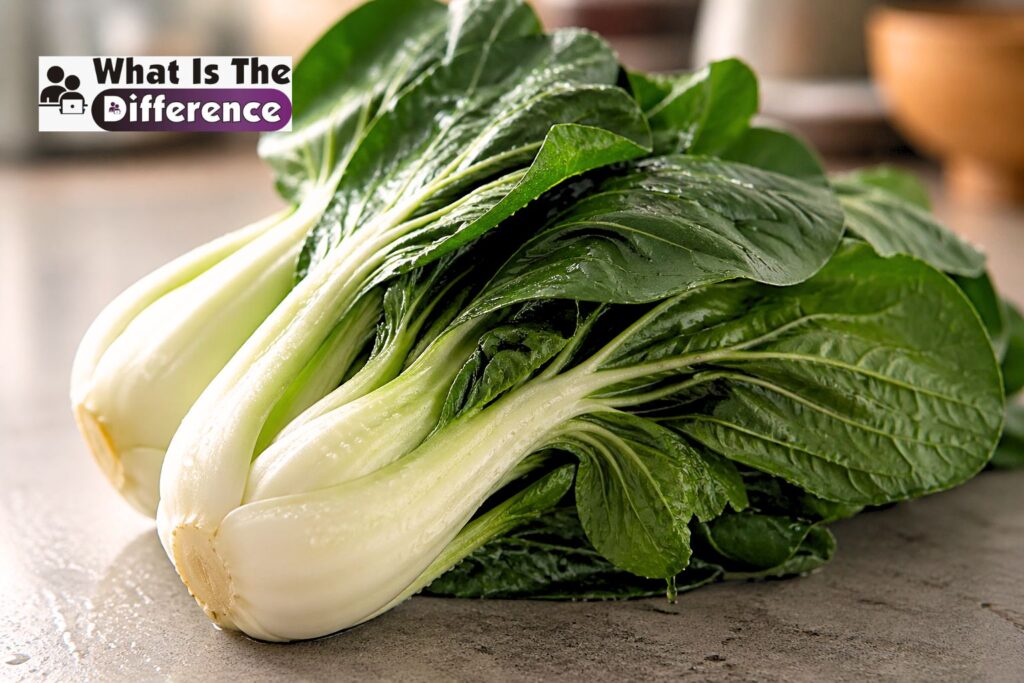
Bok choy is a leafy green vegetable from the Chinese cabbage family. It belongs to the Brassica group, the same wider plant family that includes cabbage, kale, broccoli, mustard greens, and turnips.
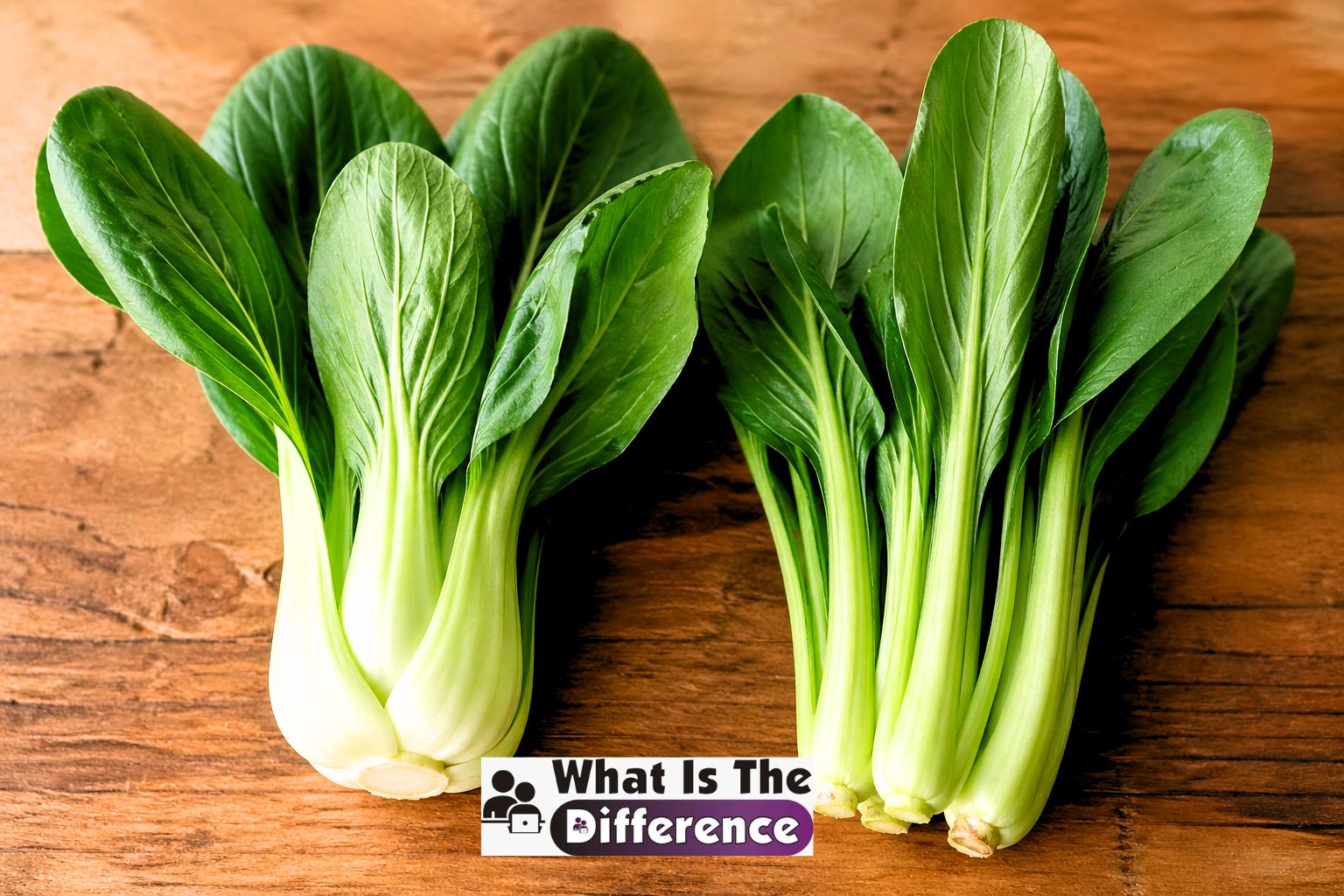
Unlike round cabbage, bok choy does not form a tight head. Instead, it grows in upright clusters with crisp stalks and tender green leaves. The stalks are usually white or pale green, while the leaves are dark green and slightly glossy.
Its texture is one of the reasons cooks love it. The stems stay juicy and crunchy when cooked briefly, while the leaves soften quickly. This makes bok choy useful in stir-fries, soups, noodle bowls, steamed dishes, and simple garlic vegetable sides.
What Is Pak Choy?
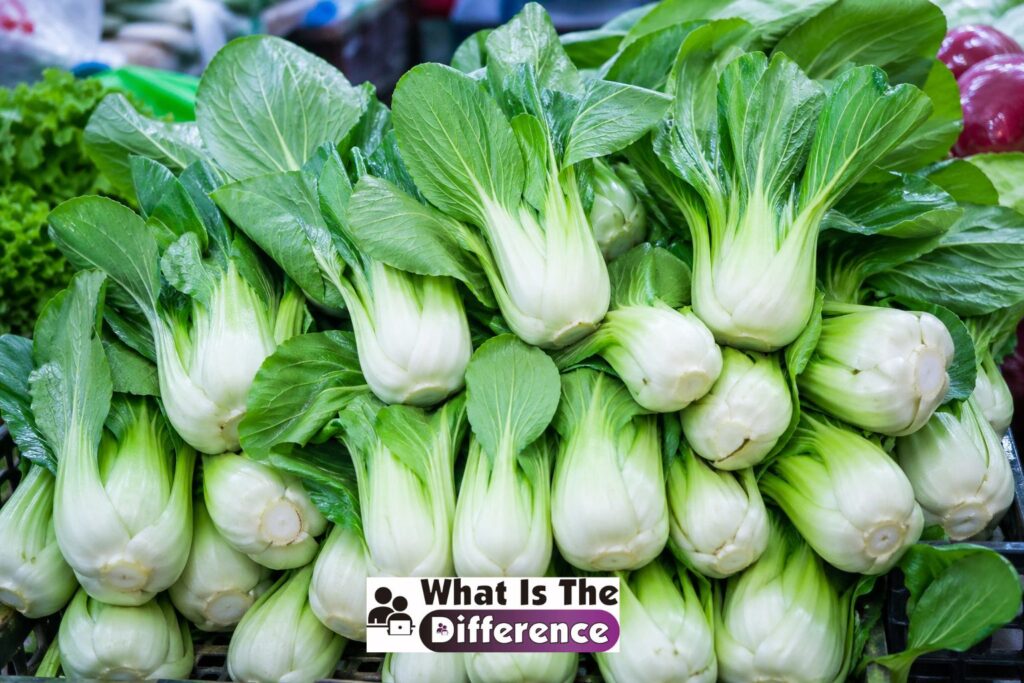
Pak choy is another common name for the same vegetable. You may also see it written as pak choi, bok choi, or sometimes Chinese white cabbage.
The name “pak choy” is more commonly used in the United Kingdom and some other regions, while “bok choy” is more familiar in the United States. In many Asian markets, either spelling may appear depending on the supplier, region, or translation style.
So, when comparing bok choy vs pak choy, you are not comparing two separate vegetables. You are usually looking at two names for the same Chinese leafy green.
The Real Difference
The main difference between bok choy and pak choy is the name.
Both refer to the same plant, commonly classified as Brassica rapa Chinensis Group. The variation comes from how Chinese words are translated into English. Different spellings developed over time because pronunciation, dialect, and regional English usage all influenced the way the name was written.
In simple terms, bok choy and pak choy are interchangeable in recipes. If a recipe calls for pak choy and your store only has bok choy, you can use it without changing the dish.
Bok Choy vs Pak Choy Comparison
Here is a simple way to understand the difference:
| Feature | Bok Choy | Pak Choy |
|---|---|---|
| Meaning | Chinese cabbage variety | Same Chinese cabbage variety |
| Main difference | Common spelling in the US | Common spelling in the UK and elsewhere |
| Appearance | White or green stalks, green leaves | Same appearance |
| Taste | Mild, fresh, slightly sweet | Same taste |
| Cooking use | Stir-fries, soups, steaming | Same uses |
| Nutrition | Same nutrients | Same nutrients |
The important takeaway is this: the label may change, but the vegetable does not.
Why the Names Cause Confusion
The confusion around bok choy vs pak choy often happens because supermarkets, recipe websites, and seed companies do not always use the same spelling.
One cookbook may say “bok choy,” a British recipe may say “pak choi,” and an Asian grocery store may use another spelling. To someone unfamiliar with the vegetable, it can look like these are different ingredients.
Another reason is that bok choy comes in several varieties. Baby bok choy, Shanghai bok choy, and mature white-stem bok choy can look different from each other. That visual difference can make people think bok choy and pak choy are separate vegetables, when the real difference is often variety, not name.
Common Varieties
Bok choy and pak choy come in several forms. Knowing the varieties is more useful than worrying about the spelling.
Baby bok choy is harvested young. It is smaller, tender, and often sweeter. It cooks quickly and works well when halved lengthwise, steamed, or stir-fried.
Mature bok choy has larger white stalks and broader green leaves. The stems are thicker and need slightly more cooking time than the leaves.
Shanghai bok choy usually has pale green stems instead of white ones. It is tender, mild, and often used in quick stir-fries or soups.
Some specialty varieties may have purple-tinted leaves or different stem shapes, but they are still closely related leafy greens used in similar ways.
Taste and Texture
Bok choy has a mild, clean flavor. It tastes slightly sweet, a little grassy, and gently cabbage-like, but it is not as strong as some other cruciferous vegetables.
The stalks are crisp and juicy, almost like a softer celery texture when raw. The leaves are tender and cook down quickly, similar to spinach but with more structure.
This mix of textures makes bok choy especially good for quick cooking. If cooked properly, the stems keep a pleasant bite while the leaves become soft and flavorful.
Cooking Uses
Bok choy is one of the easiest greens to cook. It does not need heavy seasoning, and it pairs well with garlic, ginger, soy sauce, sesame oil, chili, mushrooms, noodles, rice, tofu, chicken, beef, and seafood.
For stir-fry, slice the stems and leaves separately. Add the stems first because they take longer to soften. Add the leaves near the end so they do not overcook.
For soups, bok choy can be added in the final few minutes. The stems soften in broth while the leaves wilt gently.
For steaming, baby bok choy is especially good. Cut it in half lengthwise, steam until just tender, then season with soy sauce, garlic oil, or a light dressing.
Nutrition Profile
Bok choy is low in calories and naturally rich in important nutrients. It contains vitamin C, vitamin K, vitamin A-related carotenoids, folate, calcium, potassium, and fiber.
Because it is mostly water and fiber, bok choy can help add volume to meals without making them heavy. It is a good choice for soups, stir-fries, and vegetable bowls when you want something light but satisfying.
The nutrition is the same whether your store calls it bok choy or pak choy. The name does not change the vitamin or mineral content.
Health Benefits
Bok choy is often valued because it gives you a lot of nutrition for very few calories. Its vitamin C supports normal immune function, while vitamin K and calcium play roles in bone health.
It also contains antioxidants, which help protect cells from oxidative stress. Like other cruciferous vegetables, bok choy contains natural plant compounds that are widely studied for their role in a balanced, vegetable-rich diet.
Its potassium content may also support a heart-friendly eating pattern, especially when bok choy is used in meals that are not overloaded with sodium.
Is One Healthier?
No. In the bok choy vs pak choy comparison, neither one is healthier because they are the same vegetable.
What matters more is freshness, cooking method, and portion size. Fresh bok choy with firm stalks and vibrant leaves will taste better and retain better texture than wilted produce.
Cooking style also matters. Light steaming or quick stir-frying helps preserve the vegetable’s fresh taste and texture. Boiling it for too long can make it watery and dull.
How to Choose Fresh Bok Choy
When buying bok choy or pak choy, look for firm stalks and bright leaves. The stems should feel crisp, not rubbery. The leaves should look fresh, not yellow, slimy, or badly wilted.
Smaller heads are usually more tender and mild. Larger heads are still delicious, but the stems may need a little more cooking time.
If you are making a quick stir-fry, baby bok choy or Shanghai bok choy is often easier to handle. For soups or braised dishes, mature bok choy works very well.
How to Store It
Bok choy is best used within a few days of buying it. Store it in the refrigerator, preferably in a loose bag or wrapped lightly to protect it from drying out.
Do not wash it before storing unless you plan to dry it very well. Extra moisture can make the leaves spoil faster.
Before cooking, rinse carefully between the stalks because soil can hide near the base. Trim the bottom end, separate the leaves if needed, and wash under cool running water.
Common Mistakes
One common mistake is overcooking bok choy. The leaves cook quickly, and the stems only need a short time to become tender-crisp. If cooked too long, bok choy can become limp and watery.
Another mistake is treating the stems and leaves exactly the same. Since stems are thicker, they should go into the pan first. Leaves should be added later.
People also sometimes confuse bok choy with napa cabbage. Both are Chinese cabbages, but napa cabbage forms a larger, longer head with crinkled leaves, while bok choy grows in stalked clusters.
Can You Substitute Them?
Yes. Since bok choy and pak choy are the same vegetable, they can be substituted perfectly.
You can also substitute similar greens if needed, though the result will not be exactly the same. Napa cabbage, chard, spinach, Chinese broccoli, or mustard greens may work depending on the recipe.
For stir-fries, chard or baby cabbage can be useful alternatives. For soups, napa cabbage or spinach can work well. Still, bok choy has a special combination of crisp stems and tender leaves that makes it hard to match exactly.
Best Ways to Use It
Bok choy works beautifully in simple everyday meals. A quick garlic bok choy stir-fry takes only a few minutes and makes a fresh side dish.
It is also excellent in ramen, wonton soup, rice bowls, dumpling fillings, noodle stir-fries, and vegetable-packed broths.
For a very simple method, cut baby bok choy in half, sear it cut-side down in a hot pan, add a splash of water, cover briefly, then finish with soy sauce and sesame oil. This keeps the stems crisp and the leaves tender.
Final Answer
So, bok choy vs pak choy: what’s the real difference? The answer is straightforward: there is no real vegetable difference.
Bok choy and pak choy are two names for the same leafy Chinese cabbage. The difference comes from spelling, pronunciation, and regional usage.
When shopping or cooking, focus less on the name and more on freshness, size, and variety. Choose firm stalks, bright leaves, and the type that fits your recipe. Whether the label says bok choy, pak choy, or pak choi, you are getting the same versatile, nutritious, and delicious vegetable.
Sources consulted: Britannica identifies bok choy and pak choi as the same Chinese cabbage variety, while the Royal Horticultural Society lists pak choi and bok choy as common names for the Brassica rapa Chinensis Group. USDA FoodData Central provides nutrition data for raw bok choy, and Cleveland Clinic summarizes key health benefits of bok choy.
What Is the Difference Between Ranch and Farm? Explained Clearly
Frequently Asked Questions
Are pak choy and bok choy the same thing?
Yes, pak choy and bok choy are the same vegetable. The difference is only in the spelling and regional naming. “Bok choy” is more commonly used in the United States, while “pak choy” or “pak choi” is often used in the UK and other regions.
Is cooked bok choy low FODMAP?
Cooked bok choy is generally considered low FODMAP when eaten in moderate portions. It is usually well tolerated by people following a low FODMAP diet, especially when lightly cooked. However, portion size still matters, so it’s best to keep servings moderate if you have a sensitive digestive system.
Why does my stomach hurt after eating bok choy?
Some people may experience stomach discomfort after eating bok choy due to its fiber content or natural compounds found in cruciferous vegetables. Eating large amounts, not washing it properly, or having a sensitive gut can also contribute to bloating or discomfort.
Can diabetics eat bok choy?
Yes, bok choy is a good choice for people with diabetes. It is low in carbohydrates and calories, and it contains fiber and nutrients that support overall health. It does not cause rapid spikes in blood sugar when eaten as part of a balanced meal.
What vegetables are not allowed in diabetes?
No vegetables are completely “forbidden” for diabetes, but some should be eaten in moderation. Starchy vegetables like potatoes, corn, and peas can raise blood sugar more quickly. Non-starchy vegetables like bok choy, spinach, and broccoli are usually better choices for regular consumption.