In everyday conversations about criminal justice, people often hear the terms parole and probation used as if they mean the same thing. News reports, legal dramas, and public discussions sometimes blur the distinction between these two concepts. However, they are not identical. Each term describes a specific stage in the criminal justice process and carries different legal implications.
Understanding what is the difference between parole and probation helps readers better interpret legal cases, criminal sentencing decisions, and discussions about rehabilitation. Both systems allow individuals convicted of crimes to live in the community instead of remaining in prison, but they operate at different points in the legal process and are governed by different authorities.
At their core, parole and probation are designed to balance punishment with rehabilitation. They provide structured supervision while giving offenders an opportunity to rebuild their lives outside of incarceration. Yet the path to probation is not the same as the path to parole, and that distinction shapes how each system functions in practice.
BIO
| Feature | Parole | Probation |
|---|---|---|
| Basic Meaning | Early release from prison under supervision | Court-ordered supervision instead of prison |
| When It Occurs | After serving part of a prison sentence | At sentencing, instead of incarceration |
| Decision Authority | Usually granted by a parole board | Ordered by a judge in court |
| Prison Time | Offender has already served time in prison | Offender usually avoids prison time |
| Purpose | Helps prisoners transition back to society | Allows offenders to remain in the community while being monitored |
| Supervision Officer | Supervised by a parole officer | Supervised by a probation officer |
| Eligibility | Available only after serving a portion of a sentence | Determined during sentencing based on the offense |
| Living Situation | Released from prison to live in the community | Lives in the community from the beginning |
| Conditions | Must follow strict rules set by the parole board | Must follow rules ordered by the court |
| Violation Consequences | May be sent back to prison | May face jail time or stricter penalties |
| Common Use | Often applied to serious offenses with prison sentences | Often used for less serious or first-time offenses |
| Sentence Status | Completing the remaining prison sentence outside prison | Serving the full sentence in the community |
Understanding the Criminal Justice System
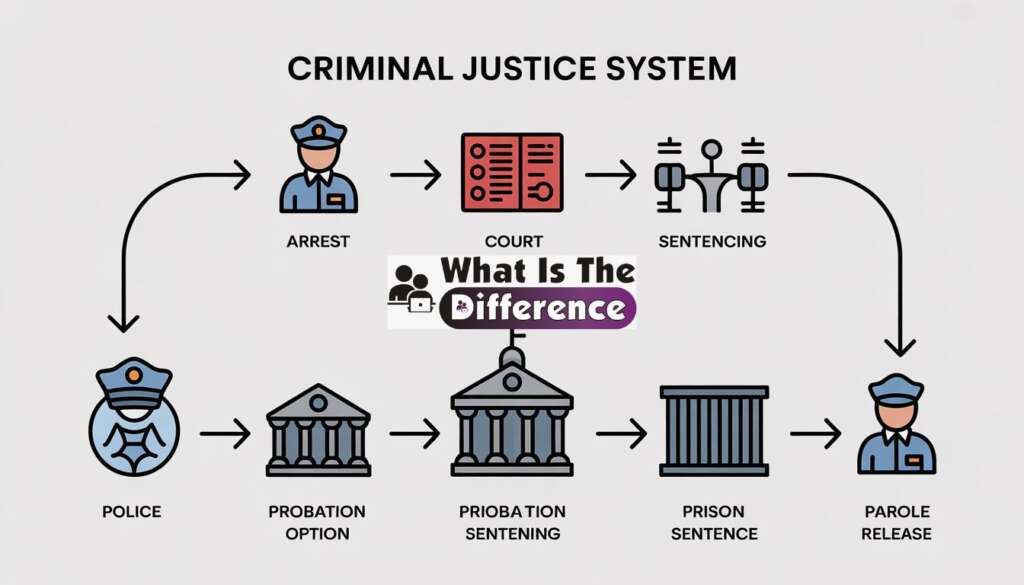
Modern criminal justice systems rely on more than just incarceration. While prison sentences remain an important form of punishment for serious offenses, courts and correctional institutions also recognize that rehabilitation and reintegration play an essential role in reducing repeat crime.
Alternatives such as probation and parole emerged partly because prisons cannot serve as the only response to every criminal conviction. Overcrowded prisons, high costs, and concerns about long-term rehabilitation have encouraged governments to develop community supervision programs. These programs allow offenders to remain in society while being monitored and guided toward lawful behavior.
Supervision is the key feature of both probation and parole. Individuals who receive either status must follow strict conditions set by authorities. They usually report to a supervising officer, maintain employment, obey laws, and avoid certain activities or associations. Failure to follow these rules can result in serious consequences, including imprisonment.
What Is Probation
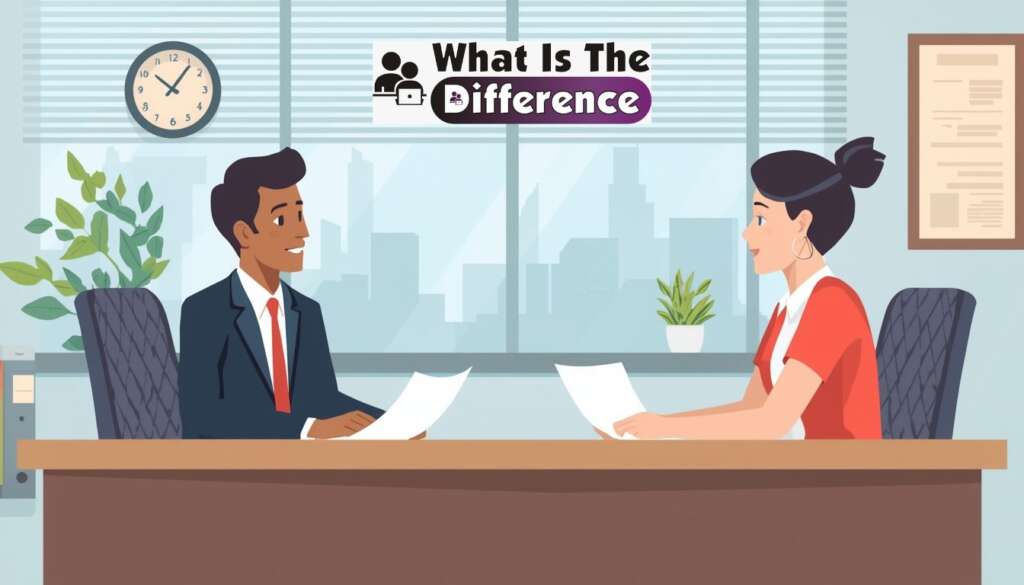
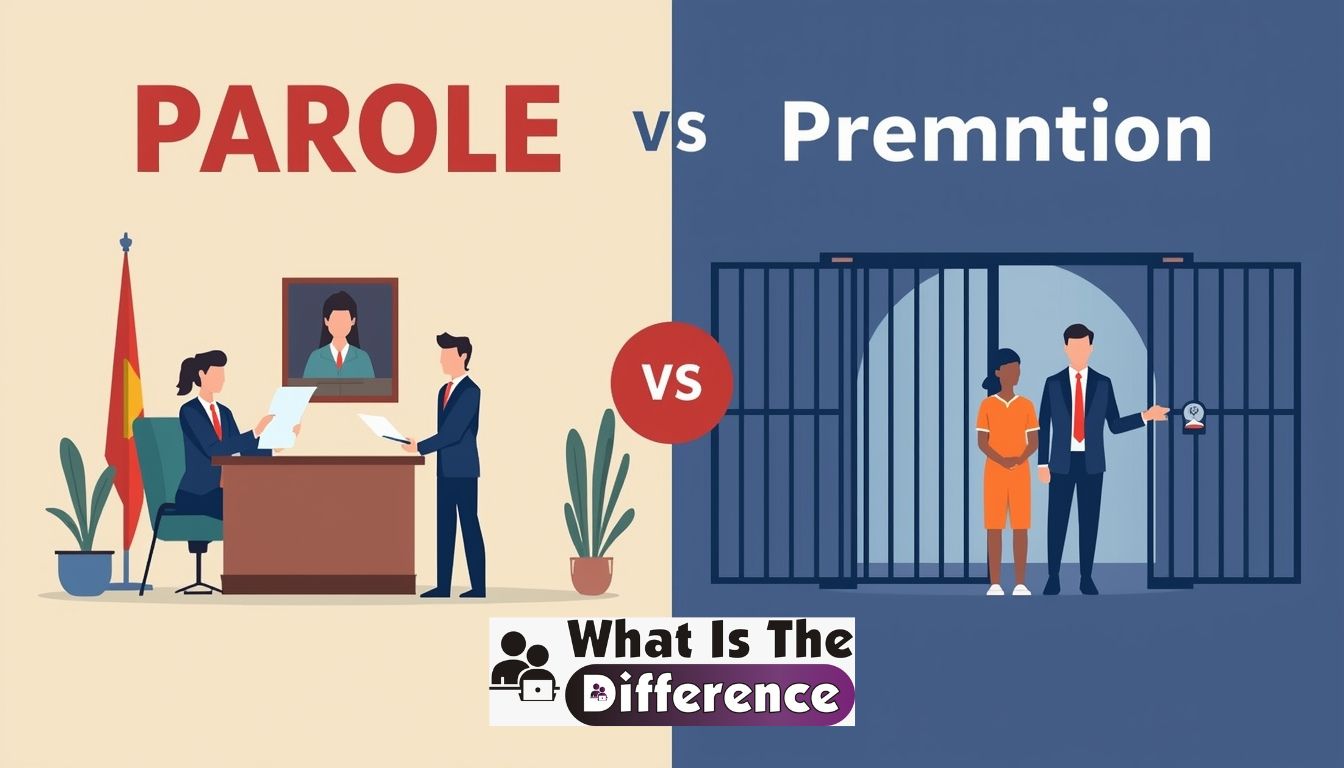
Probation is a legal sentence that allows a person convicted of a crime to remain in the community instead of going to prison. The court orders probation during sentencing and places the offender under supervision for a specified period.
In many cases, probation is granted to individuals who commit non-violent offenses or who have no previous criminal record. Judges may decide that imprisonment is unnecessary and that supervised freedom is a more effective approach to correction and rehabilitation.
When someone is placed on probation, they must follow conditions established by the court. These conditions vary depending on the nature of the crime, the offender’s history, and the goals of the sentencing decision. However, the basic structure is similar in most jurisdictions.
A probationer typically meets regularly with a probation officer who monitors their behavior and progress. The probation officer may also assist with counseling programs, job placement, or educational opportunities. The purpose is not simply to supervise but also to help individuals rebuild their lives in lawful ways.
Common conditions of probation include reporting to a probation officer, avoiding criminal activity, performing community service, or attending treatment programs for issues such as substance abuse. Courts may also impose curfews, travel restrictions, or orders to stay away from certain individuals or locations.
If the probationer successfully follows all requirements until the end of the probation period, they may complete the sentence without serving time in prison. However, violating probation conditions can lead to penalties. In some cases, the court may revoke probation and impose a jail or prison sentence instead.
Probation therefore represents an opportunity. It allows the offender to remain part of the community while proving that they can follow the law and take responsibility for their actions.
What Is Parole
Parole refers to the conditional release of a prisoner before the full prison sentence has been completed. Instead of remaining behind bars until the final day of the sentence, the individual is allowed to serve the remainder of the sentence in the community under supervision.
Unlike probation, parole occurs after an offender has already spent time in prison. It usually becomes possible once a prisoner has served a specific portion of the original sentence and has demonstrated good behavior while incarcerated.
The decision to grant parole is often made by a parole board or another authority responsible for evaluating prisoner rehabilitation and public safety risks. The board reviews factors such as the inmate’s conduct in prison, participation in rehabilitation programs, and the seriousness of the crime.
If parole is granted, the prisoner is released from the correctional facility but must follow strict conditions similar to those imposed on probationers. These conditions typically include regular meetings with a parole officer, maintaining employment, living at an approved address, and avoiding criminal activity.
Parole officers supervise the parolee’s progress and ensure compliance with the rules. If the individual violates parole conditions, the authorities may return them to prison to complete the remaining portion of the original sentence.
The main purpose of parole is to help former prisoners transition back into society in a controlled environment. By gradually reintegrating individuals rather than releasing them without supervision, the system attempts to reduce the likelihood of repeat offenses.
Key Differences Between Parole and Probation
Although parole and probation share similarities, their differences are fundamental. These differences revolve mainly around timing, authority, and the legal context in which each is granted.
One of the most important distinctions concerns when each form of supervision occurs. Probation is granted instead of prison at the time of sentencing, while parole occurs after an offender has already served time behind bars.
Another difference involves the authority that makes the decision. A judge typically orders probation as part of a criminal sentence. Parole, by contrast, is usually granted by a parole board or correctional authority after reviewing a prisoner’s conduct and eligibility.
The status of the offender also differs. Someone on probation has not served a prison sentence for the crime. They remain in the community under supervision from the start. In contrast, a person on parole has already been incarcerated and is completing the remainder of their sentence outside prison.
Violations are handled differently as well. If someone breaks probation rules, the court may impose new penalties or send the person to jail. If a parolee violates conditions, authorities may return them directly to prison to continue serving the original sentence.
Understanding what is the difference between parole and probation therefore requires recognizing that one is a sentencing alternative and the other is a conditional early release from imprisonment.
Similarities Between Parole and Probation
Despite their differences, parole and probation share several important characteristics. Both systems involve supervised freedom rather than complete independence.
Individuals under either status must follow strict rules designed to promote lawful behavior and protect public safety. These rules often include reporting regularly to a supervising officer, maintaining employment, avoiding criminal associates, and participating in rehabilitation programs.
Another similarity is the role of supervision. Probation officers and parole officers monitor compliance and provide guidance to help individuals reintegrate into society. Their responsibilities often combine law enforcement duties with social support functions.
Consequences for violations also exist in both systems. Breaking the conditions of supervision may lead to arrest, additional penalties, or incarceration. Because of these consequences, individuals on parole or probation must remain committed to following the rules set by the authorities.
Both programs ultimately aim to support rehabilitation. By allowing individuals to remain in the community under structured supervision, the justice system hopes to reduce recidivism and encourage responsible behavior.
Real-Life Examples
To better understand these concepts, it helps to consider practical examples.
Imagine a person convicted of a minor theft offense who has no prior criminal record. Instead of sending the offender to prison, the judge may sentence the person to two years of probation. During that time, the individual must report to a probation officer, perform community service, and avoid further criminal activity.
Now consider a different situation. A person receives a ten-year prison sentence for a serious crime. After serving six years and demonstrating good behavior, the prisoner may become eligible for parole. If approved, the person leaves prison and completes the remaining four years of the sentence in the community under supervision.
These examples highlight the practical difference between probation and parole. One replaces prison at the beginning of the sentence, while the other shortens imprisonment after a portion of the sentence has been served.
Benefits and Challenges
Both probation and parole offer benefits for individuals and society. From a financial perspective, supervising offenders in the community is significantly less expensive than maintaining large prison populations.
Community supervision also allows offenders to maintain employment, support their families, and participate in treatment programs. These factors can improve long-term rehabilitation and reduce repeat criminal behavior.
However, these systems also face challenges. Monitoring individuals outside prison requires resources and effective supervision strategies. Some offenders may violate conditions or commit new crimes while under supervision.
Balancing rehabilitation with public safety remains a central challenge for criminal justice systems around the world. Policymakers continually evaluate how probation and parole programs can be improved to achieve better outcomes.
Why Understanding the Difference Matters
For many people, legal terminology can feel confusing or distant from everyday life. Yet understanding terms such as parole and probation is important for interpreting news reports, legal discussions, and criminal justice reforms.
Misunderstanding these concepts can lead to inaccurate assumptions about how offenders are treated within the legal system. Recognizing the difference helps clarify how courts impose sentences and how correctional institutions manage rehabilitation.
When people ask what is the difference between parole and probation, they are often seeking a simple explanation of a complex legal process. Knowing the answer improves legal awareness and promotes more informed discussions about justice, punishment, and rehabilitation.
Conclusion
Parole and probation are often mentioned together, but they represent distinct parts of the criminal justice system. Both allow offenders to live outside prison under supervision, yet they operate at different stages of the sentencing process.
Probation is a court-ordered alternative to imprisonment, allowing offenders to remain in the community instead of going to jail. Parole, on the other hand, is a conditional early release from prison granted after part of a sentence has already been served.
The difference may appear simple, but it carries significant legal meaning. Each system reflects the broader goal of balancing accountability with the opportunity for rehabilitation.
Understanding what is the difference between parole and probation provides insight into how modern justice systems attempt to correct behavior while preparing individuals for successful reintegration into society.
What Is the Difference Between an Attorney and a Lawyer? A Clear Comparison
FAQs
What is the main difference between parole and probation?
The main difference is when each occurs in the legal process. Probation is usually given instead of a prison sentence and allows an offender to remain in the community under supervision. Parole, on the other hand, happens after a person has already served part of a prison sentence and is released early under strict conditions.
Who decides whether someone receives probation or parole?
A judge typically decides whether a person will receive probation during the sentencing stage of a criminal case. Parole is usually decided by a parole board or correctional authority after the offender has served a portion of their prison sentence.
What happens if someone violates probation or parole conditions?
Violating the rules of probation or parole can lead to serious consequences. The individual may face additional penalties, stricter supervision, or even imprisonment depending on the severity of the violation and the decision of the court or parole board.
Do probation and parole both require supervision?
Yes, both probation and parole involve supervision by an officer. The probation officer or parole officer monitors the individual’s behavior, ensures they follow legal conditions, and may help them access support programs such as counseling or job training.
Can someone go to prison after being placed on probation or parole?
Yes. If a person breaks the rules set by the court or supervising authority, probation or parole can be revoked. In that case, the individual may be sent to jail or prison to serve part or all of the original sentence.